Since early 2019, MIDiA has been publishing findings that we are moving progressively into a market dynamic in which creators are being empowered by technology to have greater direct control of their output, from conception to completion to monetisation.
With subscription video on demand (SVOD) services surpassing pay-TV penetration en route to becoming a mainstream medium, sporting consumption habits have inherently changed. Rights holders, broadcasters, streaming services and betting and gaming companies will all feel the impact of fast-changing consumption habits and new regional nuances.
This report presents key trends and analysis from MIDiA’s quarterly Video Brand Tracker survey, including devices for viewing, video streaming activities, subscription video on demand (SVOD), demographics, video streaming app users, and top-streamed TV shows.
Last week we published a blog post highlighting some initial findings from our inaugural quarterly podcast tracking data . The results show Spotify in a leading position as a standalone platform, Apple Podcasts second and national broadcaster apps doing well.
This report presents the findings of MIDiA’s 2019 independent artist survey. Companies and brands mentioned in this report: AWAL, BMG Music Rights, CD Baby, Kobalt, Tunecore, Amuse
Ad-supported video on demand (AVOD) services face significant challenges in their efforts to be commercially sustainable, in particular the struggle to attract advertisers away from traditional free-to-air TV. Ultimately, these services must seek to establish themselves as credible alternatives to linear consumption.
Sports as a product is feeling the squeeze of the peak attention economy. Sports fans in the traditional sense are ageing, and appealing to a younger digitally-native audience is a fundamental issue that rights holders can no longer ignore. Sports rights holders have realised the importance of their virtual (gaming) counterparts, acknowledging that...
The average consumer now spends an estimated 30.73 hours per week on digital entertainment. This works out to approximately 4.5 hours per day. Allocating eight hours of work and seven hours of sleep, consumers then have about 4.
2019 marks the biggest shift in the US video market since Netflix’s pivot into streaming in 2007. Apple, Disney and AT&T-owned Warner Media are preparing for their direct-to-consumer (D2C) launches into the US market in Q4 2019/Q1 2020. How they fare will have a significant impact on the global evolution of video subscriptions.
Sunday night saw the 71stEmmy Awards broadcast live on Fox. Traditionally the Emmys have been the cornerstone of TV production credibility alongside the BAFTAs. However, the Oscars of the TV industry is facing two existential challenges which threaten its relevance: plummeting ratings, and the ongoi...
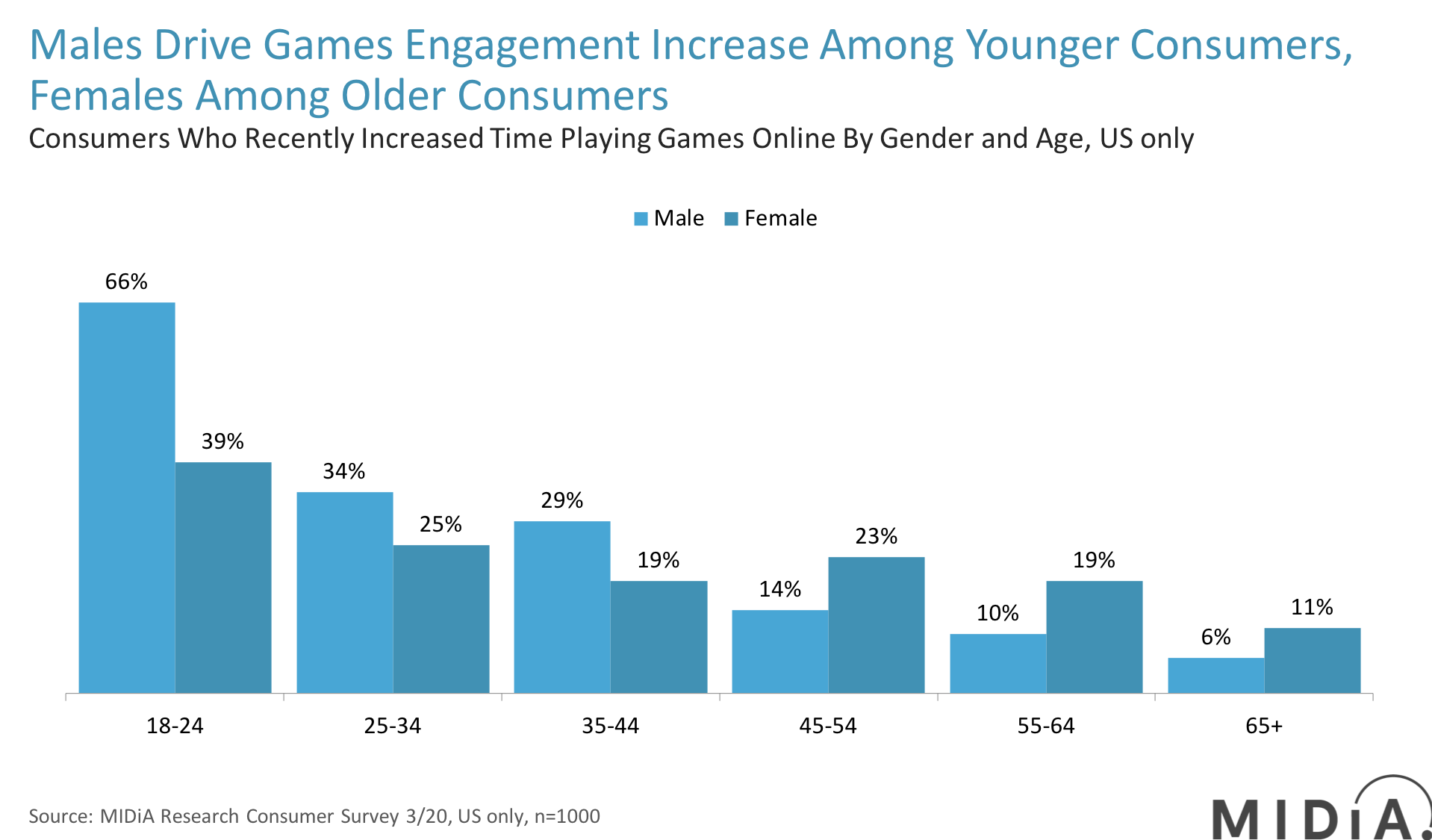
Games used to be isolated from other media activities. This has all changed with the rise of the attention economy, and the shift of gaming devices from purely consoles, to smartphones now supporting other media formats. This dynamic opens a floodgate of opportunities for media and entertainment companies, tech majors, telcos and brands alike to cr...
This report presents key trends and analysis from MIDiA’s quarterly Music Brand Tracker survey, including places of listening, streaming music activities, radio, demographics, streaming app users, time spent listening and top streamed artists. Companies...
Introduction This slide deck highlights consumer demand for video subscription services and preferred features, with detail for sub-segments such as country, age, streaming service and video genre The data is pulled from MIDiA’s Q1 2019 Consumer Survey...
This post features excerpts from MIDiA’s recently published Sports and Marketing and Brands report, ' Sports Fans Consumer Trends 2019 ' by Alistair Taylor. Sports-centric subscription video on demand (SVOD) services have largely struggled to entice subscribers, based on their current value propos...
Video streaming services in Southeast Asia first appeared in 2015 and have evolved into the main video consumption platforms for local consumers. With a combined population of 371.65 million, and a combined GDP of $2.9 trillion, Thailand, Malaysia and Indonesia represent sizeable and attractive growth markets for streaming services.
31% of baby boomers in the UK are in the habit of binge-watching TV shows, according to the MIDiA Research Q2 2019 Consumer Survey. While millennials and Gen Z are still at the forefront of the binge-watching trend, baby boomers recorded a 70% growth in binge watching from 18% in Q2 2018 to 31% in Q...
Sports-centric subscription video on demand (SVOD) services have largely struggled to entice subscribers, based on their current value propositions which consist mainly of niche rights. Pay-TV has the lion’s share of premium domestic sports rights, providing it with an advantageous set of assets partially justifying premium-priced contracts for i...
In the build-up to the Disney+ launch in November 2019, the US market is dominated by the big five of Netflix (currently number one for paid subscriptions with 60.2 million), Amazon Prime Video, Hulu, HBO Now and CBS All Access. Hulu showed the most dramatic growth, with a 41% increase in subscribers between Q1 2018 and Q1 2019.
With a market capitalisation 122 times its current annual net income, Netflix suddenly finds itself scrambling to justify its price-to-earnings ratio. The July 17th earnings call knocked 11% off the market capitalisation of the poster-child of the streaming era in a matter of two days – equivalent to the entire market capitalisation of Snap Inc, ...