
Vertical TV is more than streaming’s TikTok moment

10 Jun 2026
Tags
Categories
Companies
Streaming TV services are entering a new phase of smartphone competition. For years, their strategic focus has been on content depth: exclusive shows, premium originals, and sports rights. Yet on mobile, the battle for engagement is increasingly shaped by experience as much as content. Audiences are not only choosing what to watch; they are being guided, nudged, and retained by interfaces that make discovery feel effortless.
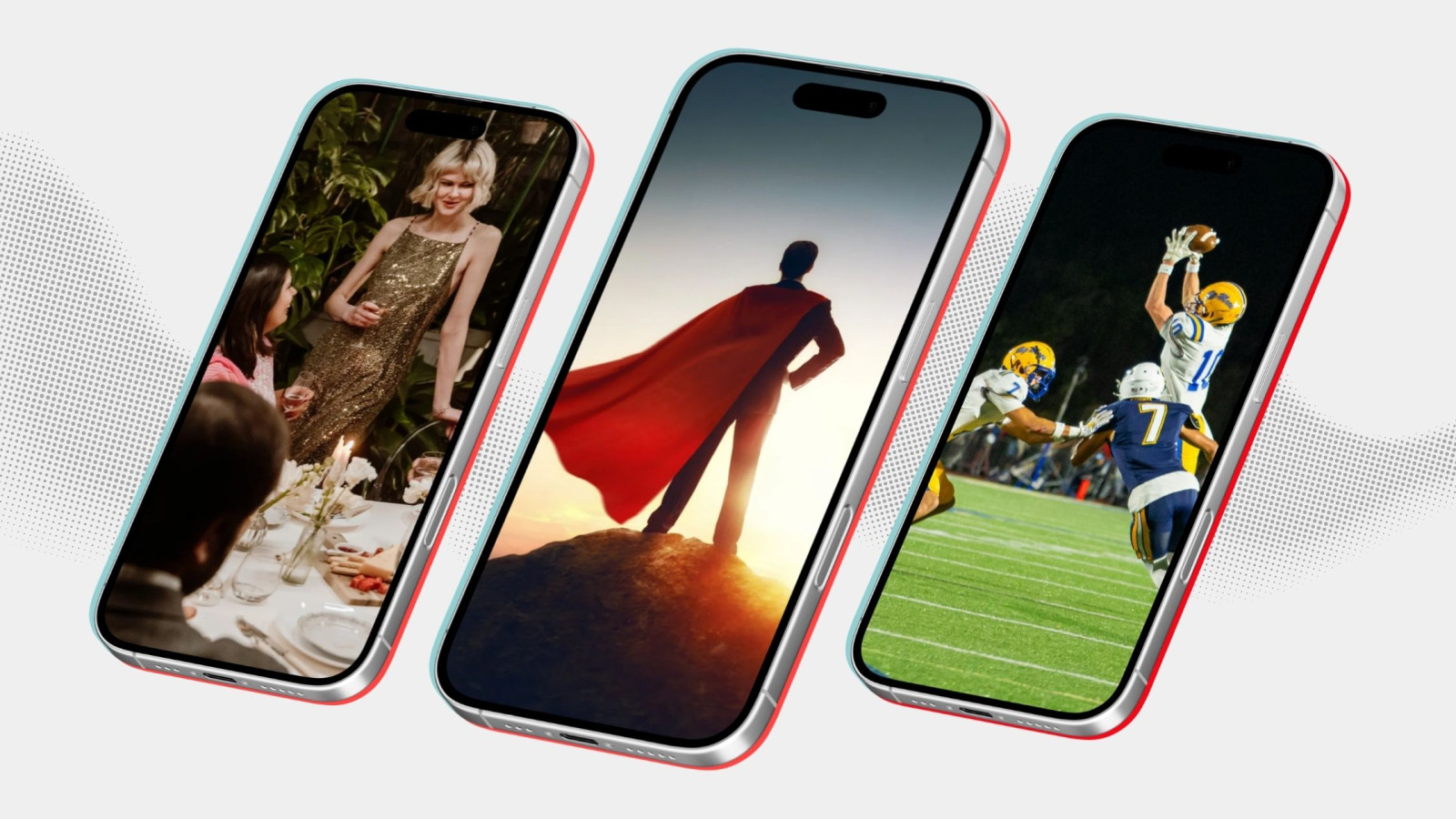
This is why the rise of vertical feeds inside streaming apps matters. The temptation is to view them as a discovery fix: a way to surface trailers, clips, highlights, and recommendations more effectively on smartphones. That is useful, but it understates the bigger strategic shift. Vertical feeds are not just another content rail inside the app. They are the early infrastructure for vertical TV. Netflix’s Clips feed, Tubi’s Scenes feature, and Peacock’s move into vertical microdramas all point to the same direction of travel: streaming apps are starting to absorb behaviours once associated mainly with TikTok, YouTube Shorts, and Reels.
Vertical TV does not mean turning every drama, documentary, or movie into a portrait-first format. Nor does it mean forcing premium storytelling to behave like social video. The opportunity is more nuanced. It is about using smartphone-native feeds, formats, advertising, and production workflows to make premium entertainment easier to discover, watch, and monetise on mobile.
The feed is becoming an infrastructure layer
Streaming apps were built around title-led discovery. The user enters the service, browses tiles, scans thumbnails, and selects a programme. Social platforms changed the logic by making discovery more immediate and moment led. A character reveal, joke, cliffhanger, interview clip, or action sequence can now become the route into a long-form video, TV show, or movie.
Bringing this behaviour inside streaming environments creates opportunities beyond promotion. Vertical feeds can become a layer for short-form advertising, branded entertainment, creator-led formats, and companion content. For advertisers, this creates inventory that is closer to mobile attention habits than the traditional ad break. For brands, it supports entertainment-led campaigns that feel chosen rather than interrupted. For streaming services, it enables a more flexible commercial model that complements long-form viewing rather than replacing it.
Featured Report
The future of creator apps Fuelling engagement with fandom
The AI boom has unleashed a wave of creator tools, but some are struggling to make the transition from interesting and experimental to compulsive and essential. Fandom offers a solution by tying creation to a consumer’s personal passion, appetite for community engagement and a desire to have a stake in the entertainment they love.
Find out more…This also matters for creator partnerships. Many creators have built their audiences through discovery loops that move from short-form clips to longer-form engagement. If streaming services want to license creator-led shows, video podcasts, or social-native entertainment, they need to show that these discovery mechanics can travel with the content. A creator moving into a streaming app without an effective short-form discovery layer risks losing the audience behaviour that made the format valuable in the first place.
Vertical TV must not become platform overreach
However, the strategic risk is overcorrection. Premium entertainment still depends on creative intent, production quality, talent relationships, and the ability to sustain attention over time. Some genres benefit from portrait viewing, especially those built around faces, dialogue, intimacy, and repeat mobile engagement. Others depend on scale, spectacle, pacing, and widescreen composition.
The question, then, is not whether all TV should become vertical. It is which parts of the entertainment proposition should become more flexible between vertical and horizontal viewing.
The winners will not simply copy TikTok inside their apps. They will build a new smartphone entertainment layer that connects discovery, engagement, advertising, creators, and production. The feed is the starting point. The bigger opportunity is vertical TV.
Not a MIDiA client? To find out more about our upcoming report, Vertical TV | The feed-driven future of streaming TV services, please contact enquiries@midiaresearch.com
Want the latest entertainment research and insights directly to your inbox? Our newsletter has you covered, click here to subscribe.
The discussion around this post has not yet got started, be the first to add an opinion.