
“Seems like AI slop”: Is LinkedIn leading the shift towards authentic content?
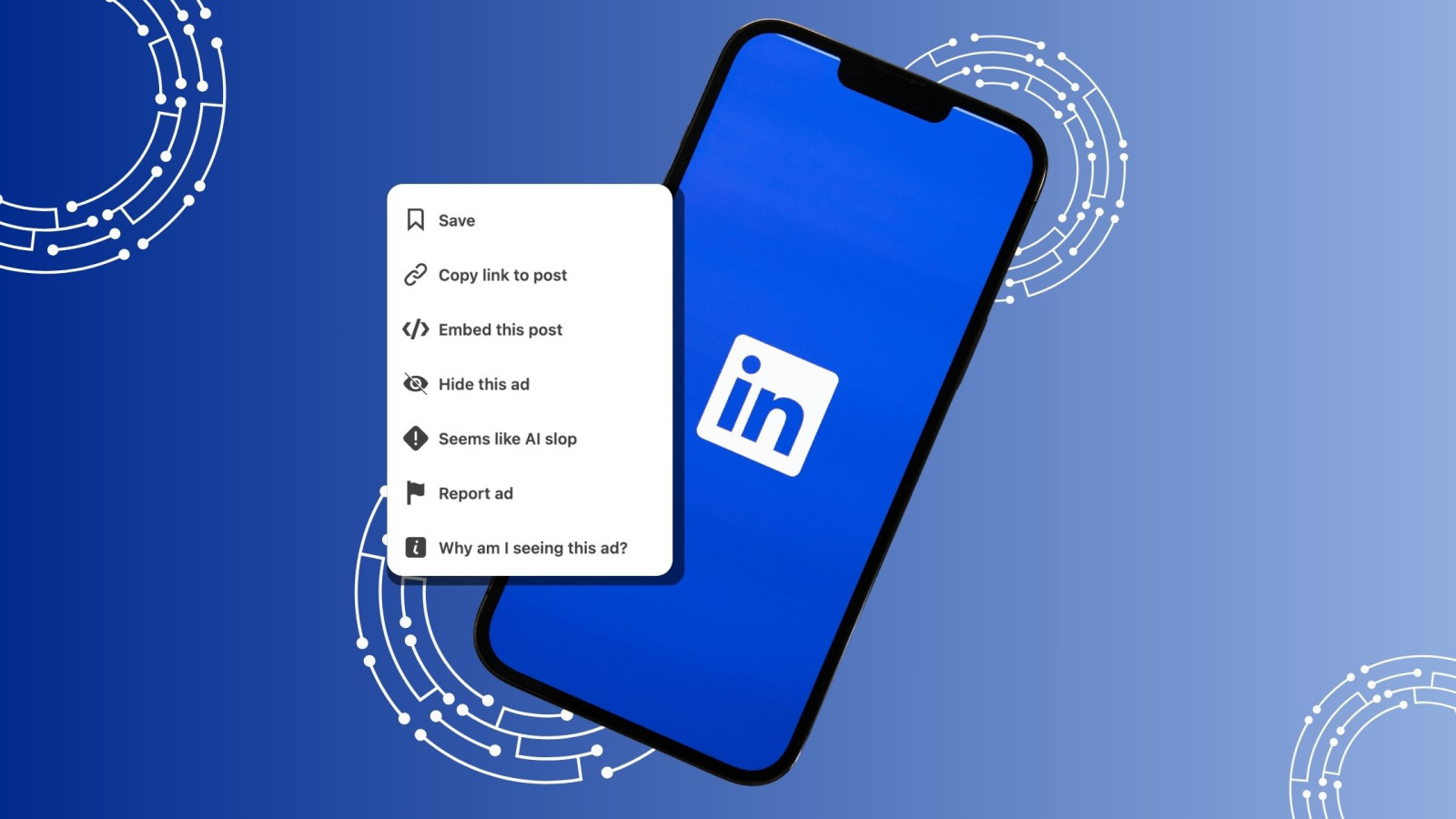
Photo: dlxmedia.hu

6 Aug 2026
Categories
Since ChatGPT first launched in November of 2022, AI-generated and augmented content has flooded social platforms. Initially lauded as a new tool to superpower creators and marketers alike, AI has instead exacerbated a pre-existing problem: an overwhelming amount of content that has left everyone struggling to break through the noise and stand out to mainstream audiences.
Authenticity is the new name of the game
While some creators do use AI to simply assist in their creative processes, a far greater number are using AI to spit out content for the sake of content – and thus profit from view counts and platform monetisation programs.
This has created a dichotomy of “AI slop” – the vast majority of content – versus “authentic content”, the stand-out gems audiences are hunting for. Authenticity has become the measure of success as a way to build genuine connections with audiences.
The challenge is that authenticity is a nuanced and elusive concept. For creators, this means finding a careful balance between content formulas that the algorithm can recognise and promote and that ‘special sauce’ of originality that can cut through once it’s out there.
Platforms face the reverse problem. Individual audiences and creators can tell the difference between the authentic and the inauthentic when they see it. However, platforms have to be able to tell it apart, in advance, at scale.
Featured Report
Social audiences are fragmenting Social platform user profile
The social marketplace has been growing – but attention is a finite resource, as is consumer time. As a result, audience attention is fragmenting across many different apps, with the biggest – YouTube, Instagram, Facebook, and TikTok –still dominating.
Find out more…Regulating AI use to promote authentic feeds
Failing to promote the right content can have negative consequences on the value of a platform. This is especially true for LinkedIn, which has a specialised, practical purpose: connecting professionals with one another for the purposes of making business happen. As Forbes outlines, by introducing its own AI tool to help users write posts, LinkedIn all but encouraged a flood of AI-generated posts that began to look and read broadly the same.
As a result, trust in the platform’s usefulness deteriorated. In response, LinkedIn has now removed its assistive writing AI feature, and introduced a new button for users to flag posts with: “Seems like AI slop”. This effectively crowdsources the training of its algorithm on what not to promote.
Although this is the biggest headline of a platform adjusting its algorithm to prioritise authentic posting, it’s not the only method. Snapchat has stopped promoting or rewarding AI-generated videos on Spotlight. Meta has introduced new labelling and transparency on posts and videos.
Moreover, on a regulatory level, Article 50 of the EU’s AI Act came into force on August 2, 2026. It requires AI generated content to be clearly labelled and users clearly notified when AI is being used for things like emotion recognition or biometrics.
The big picture is that the AI content hype has run its course. A social platform loses its value if users are no longer talking to each other, but instead simply consuming AI-generated content. As this balance tipped too far, social platforms needed to adjust their content strategies, even without the push by regulators.
As social media bans come into play as well, the major social platforms – most of whom have invested heavily into AI development – will have to walk a careful strategic balance between new revenue streams and keeping their original platforms’ value as networks of real humans alive.
Want the latest entertainment research and insights directly to your inbox? Our newsletter has you covered, click here to subscribe.
The discussion around this post has not yet got started, be the first to add an opinion.