
Why music is not enough for an artist fan club
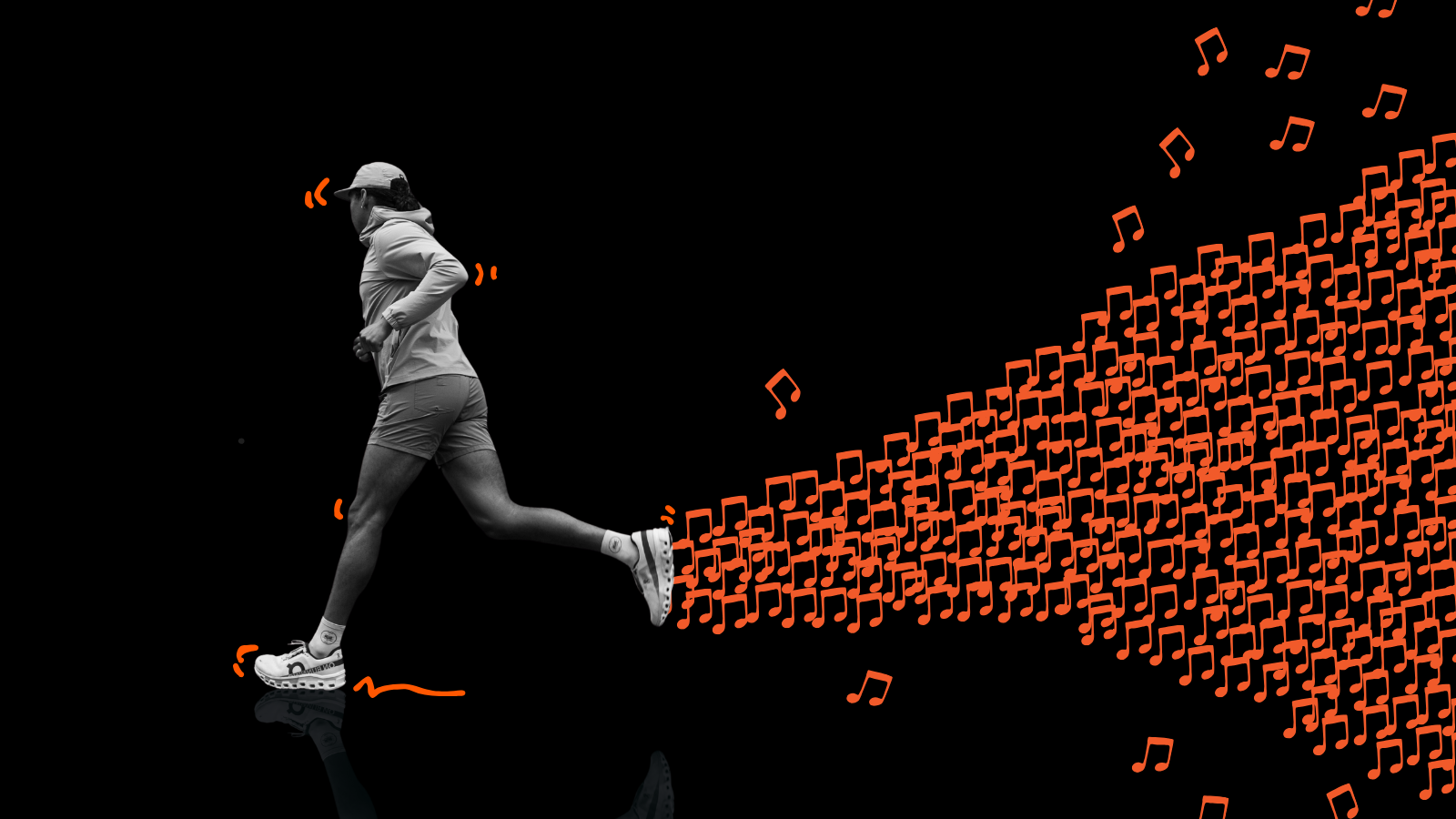
Photo: Daniel Guerra

31 Jul 2026
Tags
Categories
With 90,000 AI-generated tracks uploaded to Deezer every day (at the time of writing), AI-generated music now constitutes the majority of new releases on the platform. Music was an oversaturated world before AI, with 60,000 tracks released a day in 2021, but a threefold increase in five years makes that number seem mundane.
In this new world, the quality of music is increasingly standardised by AI powered production tools. When anyone can make a ‘good enough’ sounding song and recording, originality requires a new threshold and becomes more extreme (i.e., Angine de Poutrine).
What it means to be an artist needs to change if they are to survive. Paid music fans, including 50% of merch buyers, are more likely than the average consumer to be doing more in person activities. This means the role and goal of artist development for the next generation of talent needs to be grounded in the real world.
Artist development has typically focused on the individual artist and their sound. However, in order to build a sustainable career, the primary responsibility of an artist today is to develop and grow a consistent community. What is changing is how when that community comes together – it often isn’t around music.
From fan base to fan club
The value of music is increasingly found at the intersection of lives and communities outside of the traditional music business. Artists like Låpsley, Jelly Roll, and Diplo starting supper and running clubs for their fans, SM Entertainment launching SMTown Run Club 26 in Korea, and the ‘running raves’ of Midnight Runners Ciudad de México all show that the need for connection and community is global and deeply human.
As social lives have moved online, we are increasingly waking up to what has been lost in the real world. Connection to a physical community is a fundamental human need that is being eroded. Artists are well-placed to fill the void and build the communities of tomorrow through artist-led clubs. The differentiator for future clubs is that key difference between the music clubs of yesterday and the ones of tomorrow is that often, music is now a thread running through the community, rather than its anchor – which may be food, running, skating, or anything else.
If artists can build communities around diversified interests, the resulting loyalty of the fans they create will likely be worth more than anything a stream could offer. It will also be worth more for the fans, to whom recorded music has become ubiquitous. In this environment, the artist’s role is to go beyond being entertainers, to become leaders of communities, clubs and social spaces.
Artists as leaders
The world of community development is becoming more competitive as it is now asked of creators across entertainment - from comedians and podcasters to consumer goods brands. Even athletics is ushering in a new generation, with athletes like Arch Manning and Livvy Dunne seeing greater returns through monetising their audience than through their athletic talents alone.
This is an age of the persistent and pervasive personality, where being forgotten is the easiest and perhaps most devastating thing that can happen to an artist. Artists are in a unique position to use their musical talent as a gateway to embed themselves in communities as leaders and organisers. As a result, they become more than their performances or unique talent,they become people who shape the way fans live their lives, within and beyond music.
Want the latest entertainment research and insights directly to your inbox? Our newsletter has you covered, click here to subscribe.
There are comments on this post join the discussion.