
Why dedicated fans are trading infinite choice for trusted curation
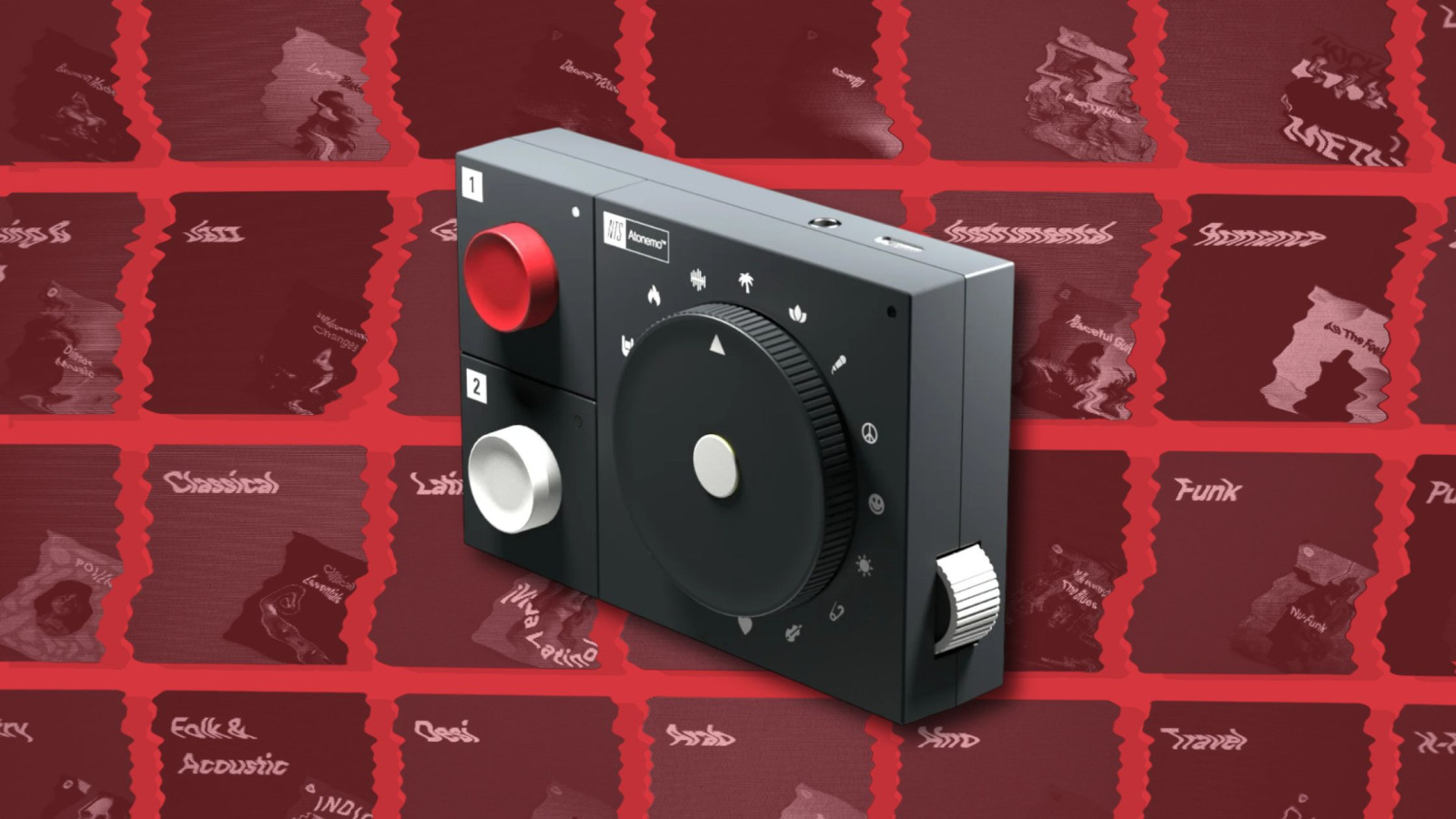
Photo: NTS / David Pupăză via Unsplash

16 Jul 2026
Categories
Companies
The story of digital music has been one of expanding choice. Streaming's initial proposition was for the crate-diggers – a way of bringing the passion of music discovery into the digital age. However, the number of passive listeners on DSPs quickly outnumbered dedicated fans and the model optimised accordingly.
However, it left superfans with a longing for context and discovery that streaming never quite replaced. Layer on a broader shift: Gen Z and Millennials are actively trying to reduce screen time. As a result, a distinct cross-section of listeners has emerged: a selection of people who want to step back from their screens while still actively engaging in discovery online. That combination of unmet needs now underlines an opportunity.
The cost of infinite choice
Streaming's real innovation wasn’t just access, it was the playlist as the primary unit of consumption, which has a cost in context collapse. A song's meaning shrinks to whatever sits before and after it in an algorithmically assembled sequence.
Compare that to the relationship between an artist and a radio programmer. Getting a song onto a show implied editorial investment. A host might build a session around a specific track, bring the artist in for an interview, and create a narrative. The song arrives with context attached. Streaming, for all its reach, stripped that away. What we're seeing now is a consumer response to that absence: an appetite for someone else doing the choosing.
Featured Report
MIDiA Research 2026 predictions Change is the constant
Welcome to the 11th edition of MIDiA’s annual predictions report. The world has changed a lot since our inaugural 2016 edition. The core predictions in that report (video will eat the world, messaging apps will accelerate) are now foundational layers of today’s digital economy.
Find out more…The market is already responding
BBC Radio 6 Music, known for their leadership in music discovery in the FM space, posted stronger RAJAR figures last quarter. Meanwhile, Rinse FM has expanded well beyond its late-night footprint into more daytime slots, and NTS continues to grow a global fanbase, all while facing infinite algorithmic competition. As MIDiA has tracked previously, the role of the tastemaker is moving back to the fore.
Major platforms have noticed too. Spotify's New Music Friday playlist in the US now puts human curators on camera to explain their picks – a tacit admission that the algorithm isn't enough for superfans. TikTok and iHeartRadio's recent Madonna campaign made the same bet at greater scale and gave the Confessions II album launch exactly the kind of narrative context fans have been missing, turning a release into a narrative. For DSPs, these examples point to the same clear commercial lever: editorial identity, not just personalisation, retains the superfan segment.
The premise of omakase listening
This shift is also starting to take physical form and NTS's own answer is instructive. Rather than building a conventional radio player, NTS partnered with Stockholm-based Atonemo on a compact Wi-Fi streamer that brings its curated channels and mixtapes to almost any speaker or amp. The device is a fully capable streaming product, yet its reason for being is singular: to make NTS's curation the default, not one option among many on a home screen.
Atonemo co-founder Noah Constantinou frames it in the press release as “omakase listening". The analogy works well because, as you would with a chef, you’re handing decisions over to someone whose taste you trust. Yet, the value only materialises if that trust is real, and NTS has spent over a decade earning it. Notably, the device is also conspicuously screen free, yet still feels innovative. It sits alongside the analogue revival but represents the next stage of it: new technology built for a modern audience with new consumer needs.
The same instinct already exists in audio more broadly. Parents buying screen-free devices like Yoto for children are taking to sites like Reddit to ask why no comparable adult product exists. As general screen fatigue deepens, expect more entrants chasing this behaviour: separating audio consumption from the general-purpose screen, rather than it competing as one more app for attention.
Context, curation, and narrative
Choice isn't unwanted and playlists aren't finished. But unlimited choice without context doesn't satisfy the same need. Across radio ratings, Spotify’s editorial pivot, and devices like the NTS player, the through-line is demand for a trusted intermediary willing to make the call and stake something on it. For an industry that has spent twenty years building tools to give listeners more choice, the next opportunity is building the confidence to take some of it back.
Image credits: NTS x Antonemo / David Pupăză via Unsplash
Want the latest entertainment research and insights directly to your inbox? Our newsletter has you covered, click here to subscribe.
There are comments on this post join the discussion.