
Multi-dimensionality in music isn’t new – but it’s overdue for a comeback
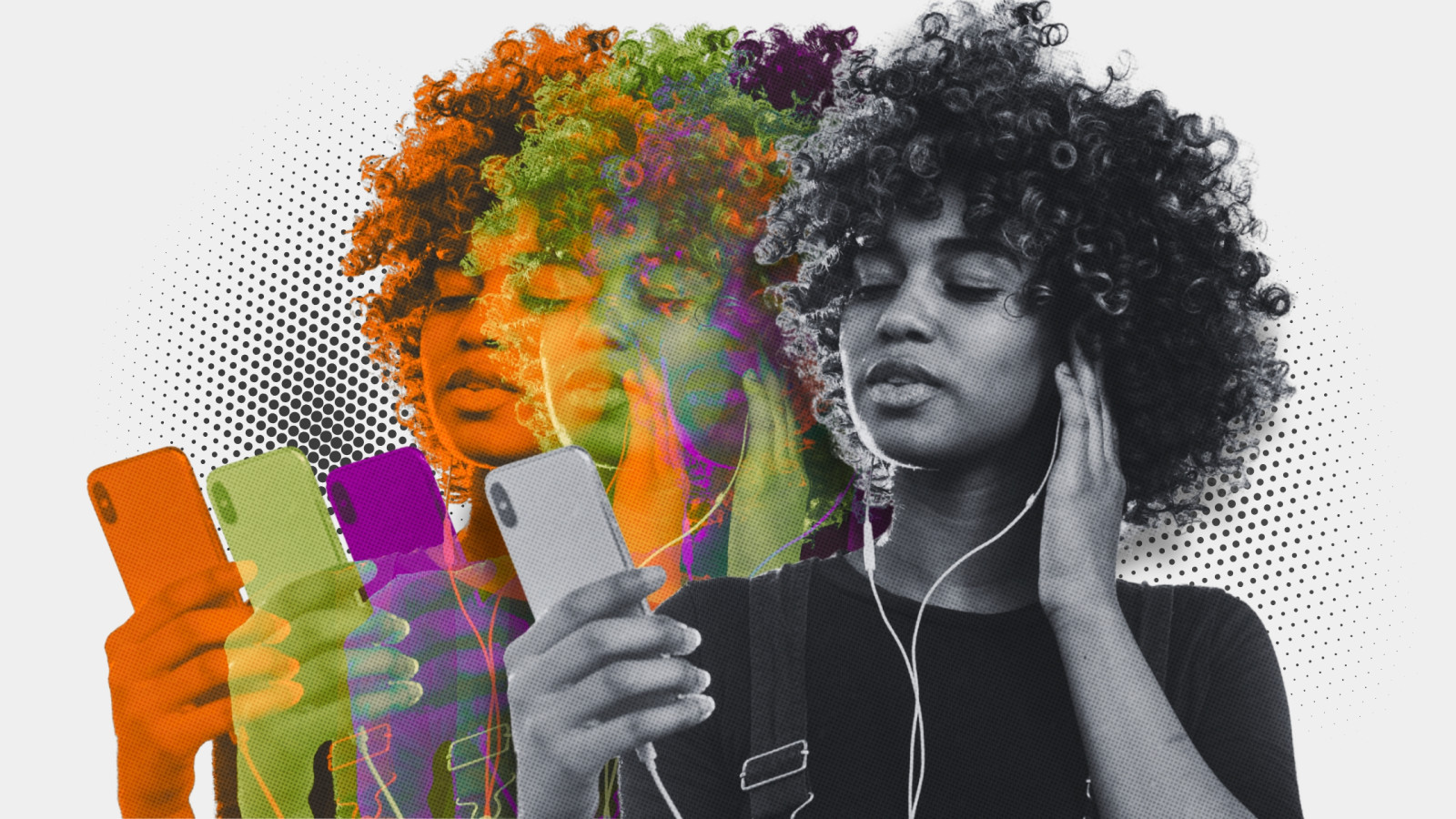
Photo: Curated Lifestyle

23 Apr 2026
Tags
Categories
Companies
Multi-dimensionality in music – that is, engaging in ways beyond simply listening to a song – has existed for decades. In the vinyl era, fans could read liner notes and look at album artwork while listening. Meanwhile, in the CD era, liner notes still existed (albeit in a smaller form) for listeners to engage more deeply with an album, and labels briefly experimented with “enhanced CDs” as a way to provide extra content like videos and photos digitally with a CD purchase.
In the streaming era, however, extramusical content like liner notes was largely retired as music became solely an auditory activity. As a generation of fans who grew up with streaming matures, you’d be forgiven for thinking that music is destined to stay this way – something that listeners turn on and then forget about. However, the popularity of vinyl and other physical music products among younger consumers shows that the desire for multi-dimensionality is not dead.
Gen Z is leading a vinyl resurgence
On the contrary, physical music has evolved from a consumption format to an expression of fandom. In MIDiA’s recent merch consumer survey, 16–24-year-olds were most likely of all age groups to have purchased vinyl records in the last twelve months, and tied with 25–34-year-olds for the highest likelihood of buying multiple versions of the same physical album. When asked why they typically purchase physical albums, the top reasons 16–24s gave were: to listen to, for tangibility (to hold the music they love in their hands), and to display (source: MIDiA Research Music Merchandise Survey, Q3 2025).
However, multi-dimensionality is not just a physical versus digital music issue. Rather, a multi-dimensional future is one that combines the best of both worlds – bridging physical and digital music for consumers.
Featured Report
Recorded music market shares Q1 2026 A strong quarter with warning signs
This report presents company financials and MIDiA consumer data for Q1 2026. This report also includes recorded music market size and market share data for Q1 2026. Consumer data is from MIDiA’s Q1 2026 survey (US, Canada, Australia, UK, n = 4,000).
Find out more…The future is “both / and”
For an example, look to K-pop. In an industry known for expansive and elaborate physical music offerings, there has been a slow shift towards pared-down physical albums (which may not even include a CD) as a way to combat the environmental impact of mass-producing plastic products that may end up disposed of en-masse.
Companies like KiTbetter, NEMOZ Lab, and MAKESTAR all offer albums that, rather than including a CD, connect to an app through NFC technology (or ultrasonic technology in KiTbetter’s case) allowing fans to listen to the album on a dedicated platform. Yet listening isn’t the main driver – these music players also include access to liner notes, exclusive photos, artist events, fan communities, and even audio modification tools. With albums functioning more as merch rather than as a physical music product, physical albums are free to experiment with format and presentation.
It’s difficult to simply “copy and paste” these features from K-pop platforms, as they often tap into existent fan behaviour specific to K-pop (e.g., a focus on photobooks, digital album personalisation). Still, these features tap into a cross-genre desire for fan-to-fan connection and deeper engagement with music. MIDiA’s Future of music streaming report laid out a framework for fostering deeper fandom and a sense of belonging on streaming through context – and K-pop’s digital music platforms demonstrate that this framework can succeed. Even among mainstream DSPs, multi-dimensionality is becoming more important, with Spotify recently launching About the Song and SongDNA – both of which aim to provide fans with more context while listening.
The pendulum is beginning to swing back towards deeper engagement with music. Combined with a growing appetite for sophisticated merch offerings and a desire for tangibility, there is a larger untapped market for physical / digital music offerings. While research suggests that music has fallen to the background among younger, streaming-native listeners, a future that connects physical and digital music and allows fans to interact with music multidimensionally may bring music back to the foreground.
Want the latest entertainment research and insights directly to your inbox? Our newsletter has you covered, click here to subscribe.
The discussion around this post has not yet got started, be the first to add an opinion.