
Social media doesn’t feel social anymore – so where does online community go from here?
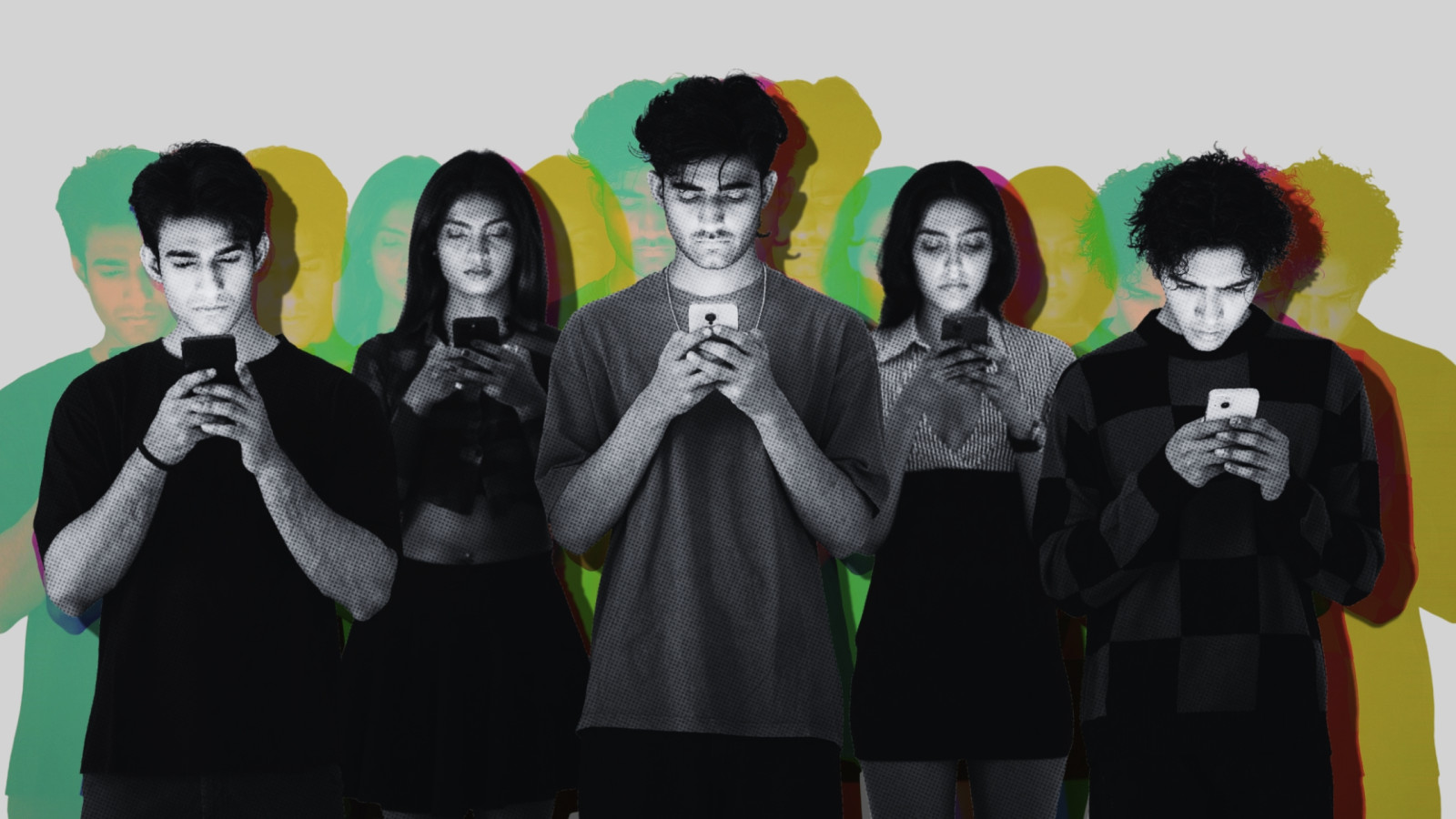
Photo: Aakash Malik
21 Apr 2026
Categories
A curious divergence is emerging in the UK's media habits. Earlier this month, Ofcom published its latest report on adults' media use, and one finding stands out. Social media usage remains high, with 89% of UK adults using at least one platform daily. However, the nature of that usage is shifting. Active participation – posting, commenting, sharing – has dropped to 49%, down from 61% in 2024.
So nearly nine in ten of us are still scrolling, but only half are contributing. The rest are watching from the sidelines.
This is not necessarily a crisis – but it is a significant evolution from the founding motivations for engaging with social media. The ‘social’ aspect of it appears to be receding, and for the broader entertainment industry, the question becomes: where is it going?
The short answer: everywhere else
Active community participation on social has declined, but the need for community has far from disappeared. Audiences still strive for it – only where they look has dispersed.
Consumers are now finding shared experiences and a sense of belonging across a much wider range of touchpoints. Podcasts, radio stations, online workout clubs, shared playlists, book clubs, film clubs – all of these have become venues for the kind of reciprocal, interest-led connection that traditional social media once provided.
What is striking, and perhaps slightly ironic, is that these were always places of community. For decades, belonging lived in the book club, the radio request show, the gym class, the shared mixtape. Social media did not invent community. It merely replaced those existing structures with centralised, algorithm-driven alternatives. And for a while, that worked. The convenience was compelling. But now, as the platforms have become more passive, more performative and more cluttered, audiences are quietly returning to familiar sources of community. They don’t want something brand new. They want something familiar, rebuilt for a digital age.
Featured Report
Social audiences are fragmenting Social platform user profile
The social marketplace has been growing – but attention is a finite resource, as is consumer time. As a result, audience attention is fragmenting across many different apps, with the biggest – YouTube, Instagram, Facebook, and TikTok –still dominating.
Find out more…Why people stopped engaging with social media
To understand how to build for this return, we first need to understand why the social media model failed. The reasons are clear.
First, people stopped seeing the posts they actually wanted to see. Algorithms prioritised outrage and engagement over updates from friends or deliberately followed fan accounts. Second, the feeling of genuine community eroded – replaced by broadcast-style performance, brand advertising, and an endless stream of strangers. Third, the environment no longer felt comfortable. Public comment sections became hostile. Private groups were never truly private. And the pressure to perform a polished, likeable version of oneself became exhausting.
For many, the only remaining option was to retreat into passive observation. To scroll but not speak. To watch but not participate. The social has slowly drained out of social media, leaving behind a hollowed-out shell of what it once promised.
How to build community
The temptation here is to reach for a single definition of the community craved by audiences. However, it’s more useful to understand it as a spectrum of needs.
For some, community means active participation – the ability to debate, create, and theorise with likeminded people. These are the listeners who join podcast Discords and post weekly theories. They are the visible engine of fan culture.
For others, community means shared affinity – the quiet reassurance of knowing you are surrounded by people who like the same things you do, whether you ever speak to them or not. They draw belonging from recognition alone: these are my people.
And for others still, community means ritual – the regularity of the shared experience itself. The knowledge that you’re sharing a moment with a stranger listening to the same thing on a Friday morning, creating a ‘you had to be there’ moment. The connection builds community.
The opportunity for entertainment
For the entertainment industry, the shift documented by Ofcom is not a warning. It is an invitation. Audiences are not searching for some novel, untested form of community. They are returning to more reliable structures – book clubs, radio rituals, shared playlists – and bringing their digital habits with them. The question is whether entertainment brands will recognise this return for what it is and have the patience to enable it rather than extract from it. If platforms build for safety, ritual, quiet affinity – and protect the space – the community will stay.
The ‘social’ in social media may not exist in the way it once did. But, the yearning for community hasn't gone anywhere, and isn’t going to anytime soon.
Want the latest entertainment research and insights directly to your inbox? Our newsletter has you covered, click here to subscribe.
There is a comment on this post, add your opinion.