
How music’s ‘Instagram moment’ led to its fast fashion era
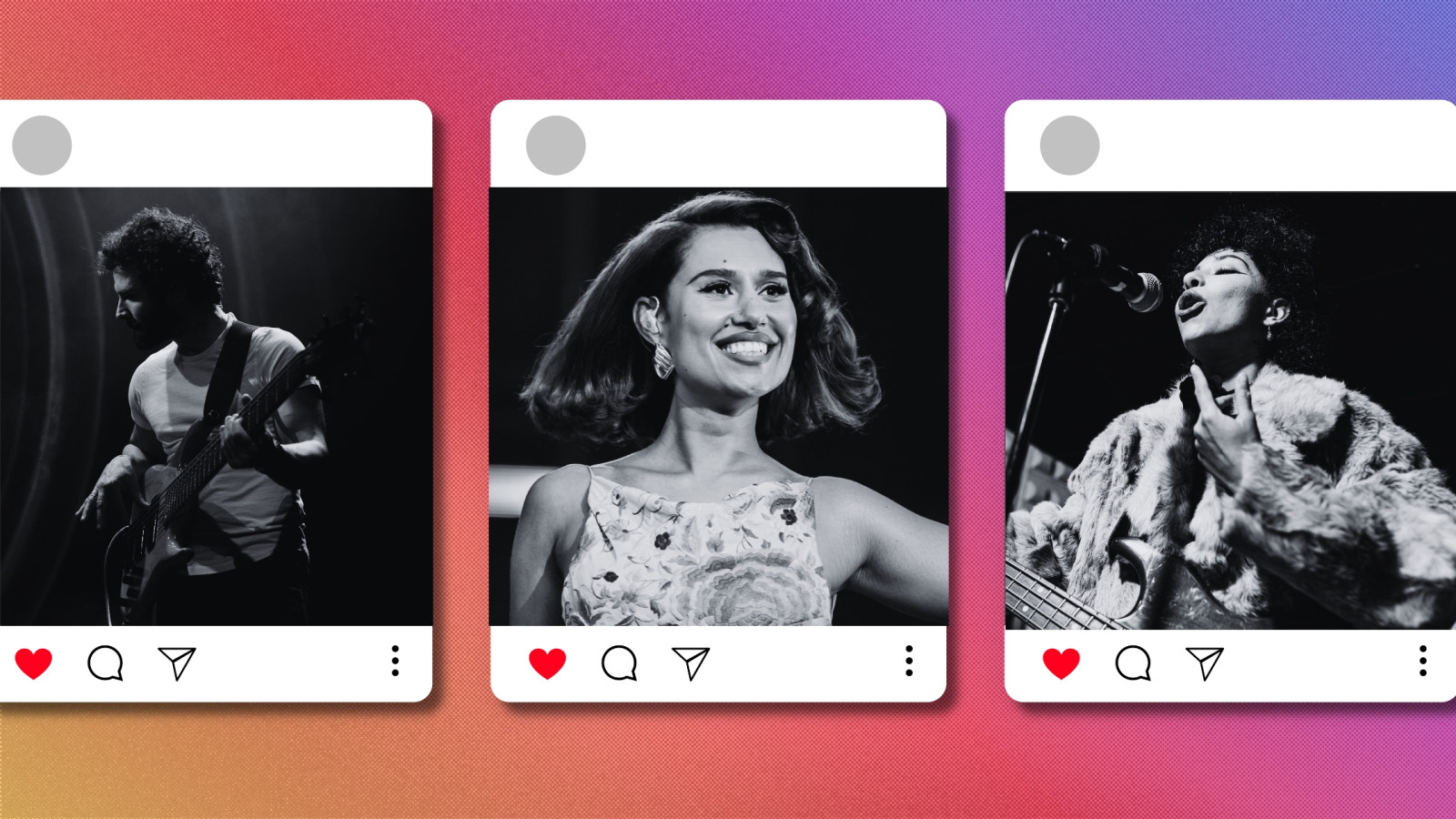
Photo: Andrew Petrischev via Unsplash / Genesis7777777 via Wikimedia Commons / A.C. via Unsplash

27 Mar 2026
Tags
Categories
The music industry is seeing unprecedented democratisation in both consumption and creation. Leading execs often point to the rise of consumer creation and the ‘Instagrammification’ of music as a growth engine. But any ‘Instagram moment’ cannot be viewed without a cautionary throwback to what happened to Kodak. While smartphones enabled billions to take photos, this also funnelled value away from cameras and the craft of creators and into the utility of social platforms. The dominant role of platforms ultimately shaped photographic imagery itself, with users conforming to styles that will perform well algorithmically.
Music is heading towards a similar direction, a world more akin to fast fashion. Like Shein or Temu, the modern streaming landscape incentivises high-volume, trend-focused output designed for immediate consumption and rapid decay. This generates revenue for platforms, but it fails to generate cultural capital for the music. In this race to the bottom, music is no longer a primary marker of, or input into, the listener’s identity.
The Leica effect
The music economy is bifurcating into two distinct camps, while hollowing out those caught in the middle:
- Music as a utility: Volume-driven and often AI-generated mood / meme music and functional audio
- Music as a craft: High-provenance, high-craft, identity-driven music that survives on artistic scarcity and authenticity
The enduring success of pre-streaming superstars (Taylor Swift, Beyoncé, The Weeknd, etc.) is a symptom of this. These artists act as safe bets for overwhelmed consumers who don’t have the attention or cognitive capacity to take risks. Because they established their narrative and legitimacy prior to the saturation boom, they possess the legacy and stature that new artists will struggle to manifest in a fragmented digital environment.
If we want an artist-first future, we are better off chasing a Leica moment than an Instagram moment. Leica has bounced back from near-bankruptcy and thrived in an era of mobile digital photography by doubling down on mechanical excellence and high-friction craft. There are plenty of lessons to take from Leica as it flirts with a potential $1 billion plus acquisition (per Bloomberg) and sees its rarest cameras sell for millions (including the record for most expensive camera at €14.4 million).
The most important thing is that artists and labels can combat a world of oversaturation by operating like a luxury brand and approaching music through a lens of craft and provenance. For instance, the value of luxury outputs are tied to the inputs into the brand’s craft. Raye is a good example of an artist succeeding with this approach. After forcing her way out of a deal that she claimed pressured her to be a ‘dance girl’, she has found success through her focus on the craft of the music she wanted to make. Her latest album collaborating with the London Symphony Orchestra is the most recent example. However, this is a luxury that few can afford – so what can artists do today?
Surviving music’s fast-fashion era
There has never been a better time to start making music, but there has never been a more competitive environment to break through as a new artist. Aspiring artists cannot win by contributing to the noise, despite the pressure and incentives they are under to do so. Chasing the algorithm is a strategy for fast-fashion success that offers no longevity and is dependent on volume, scale, and cultural dilution. To survive in music’s fast fashion era, new entrants must compete in areas that only they can succeed in, which include:
- Hyper-niches: Building specialised identity-driven communities that exist within online niches and offline spaces
- Musical mutualism: For artists struggling to break through as individuals, forming mutually beneficial collectives can lead to survival
- Provenance as the product: Emphasising the human craft and essence in the process of their work to distinguish it from AI-driven output
For the next generation of artists to flourish, they must remove themselves from the volume-based metrics that streaming and social media incentivise. Building a career based on craft, scarcity, and humanism will become a rarity, not the norm – but these are the artists who make the music industry worth listening to.
Image credits: Andrew Petrischev via Unsplash / Genesis7777777 via Wikimedia Commons / A.C. via Unsplash
Want the latest entertainment research and insights directly to your inbox? Our newsletter has you covered, click here to subscribe.
The discussion around this post has not yet got started, be the first to add an opinion.