
The renewed value of maximalism in the era of AI

3 Jun 2026
Tags
Categories
Companies
The infrastructure of entertainment consumption has never felt more feudalistic.
Distribution, discovery, and monetisation increasingly operate through a small number of platforms that shape how audiences find, consume, and pay for content. For much of the last decade, creators have operated as tenants within this model, adapting their strategies to the realities of platform-driven consumption.
The response was rational. Optimise for efficiency. Reduce friction. Strip experiences back to essentials. The prevailing narrative was that consumer time was finite, attention spans were shortening, and minimalist content – shorter runtimes, predictable structures, immediate gratification – would win the day.
And for a while, it did. But that structure is beginning to break.
The commoditisation of efficiency
The attention economy has become saturated with content that is efficient, optimised, and increasingly synthetic. As AI lowers the barriers to creation and recommendation engines become better at surfacing content that fits established patterns, the value of simply being is diminishing.
When everyone can create more content more efficiently, efficiency itself becomes commoditised. The marginal advantage of a shorter intro, a tighter runtime, or content designed for passive accompaniment approaches zero. In response, the centre of gravity is shifting back towards something platforms struggle to manufacture: content that does not compete for attention but commands it.
The abundance paradox: when optimisation is easy
The last decade was defined by scarcity. Not scarcity of content, but scarcity of attention. Entertainment companies responded by making content easier to consume. Songs became shorter. Formats became more standardised. The emphasis was on reducing the commitment required from audiences.
We’re now presented with a different challenge. Content abundance is accelerating faster than ever before. AI is increasing supply across every entertainment format, from music and audio to video and written content. The result is an environment where competency is not an advantage but a baseline. Fundamentally, if everyone can write, create, or produce to a passable standard, how do we determine what has value?
Featured Report
MIDiA Research 2026 predictions Change is the constant
Welcome to the 11th edition of MIDiA’s annual predictions report. The world has changed a lot since our inaugural 2016 edition. The core predictions in that report (video will eat the world, messaging apps will accelerate) are now foundational layers of today’s digital economy.
Find out more…Efficiency flattens everything towards the same optimised middle. The result is a new kind of scarcity – not of supply, but of distinctiveness. And that scarcity creates a counterintuitive demand.
The demand for maximalism
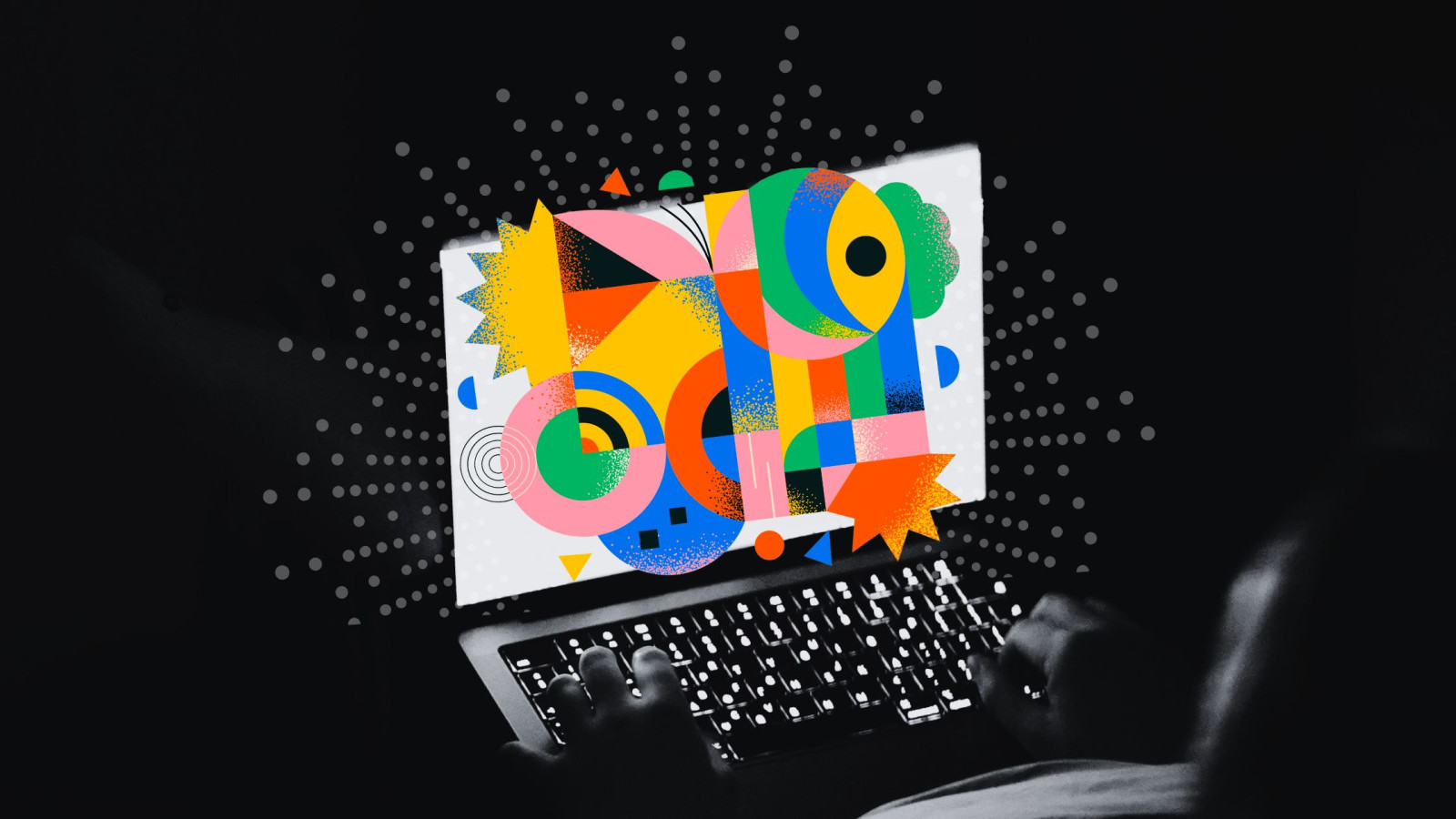
If AI makes competent production universal, then the idiosyncrasies that once appeared inefficient now become appealing. The eight-hour podcast series that is less about the topic and more about human connection; the Substack article that meanders through personal reminiscence; or the album track that ignores conventional structure with an eight-minute edit – all share something in common: they resist optimisation. In an increasingly synthetic content economy, these moments function as signals of human judgement, personality, and joie de vivre.
The very qualities that platforms, labels and editors spent years encouraging creators to remove – the infallibilities that come with human creativity – may now become the very thing audiences seek. When everyone can produce, the only thing worth paying attention to is authenticity beneath the content.
Shifting focus from attention to attachment
The platform era conditioned entertainment companies to think in terms of attention: the number of streams, views, and downloads. These metrics remain important, but they tell an incomplete story.
The more important question may be how effectively content creates attachment. Attachment is what transforms listeners into fans, audiences into communities, and consumption into participation. It’s what drives people to attend live events, buy merchandise, subscribe to memberships, and advocate for creators. It’s also considerably harder to automate than reach.
Minimalist content asks for little, so earns little in return. This is where maximalism creates value. Not because it necessarily gives audiences more content but because it delivers richer experiences. Experiences with greater identity, stronger points of view, deeper emotional resonance, and a clearer sense of belonging. Where minimalism optimises for consumption, maximalism optimises for connection.
Attachment as the next competitive advantage
This does not mean the era of optimisation is over. Distribution and discovery will remain fundamental to success. But optimisation alone is becoming insufficient.
Entertainment companies cannot out-optimise the platforms and technologies that increasingly shape audience behaviour. Their opportunity lies elsewhere: in building experiences that are harder to replicate, communities that are harder to disrupt, and relationships that extend beyond any individual piece of content.
The renewed value of maximalism lies in its ability to create exactly those outcomes. As content becomes more abundant, the winners will not be those who create the most efficient experience, but those who create the most meaningful ones.
In an age of infinite content, the scarcest commodity is no longer attention. It is attachment.
Image credits: Monika Verma / Lala Azizli via Unsplash
Want the latest entertainment research and insights directly to your inbox? Our newsletter has you covered, click here to subscribe.
There is a comment on this post, add your opinion.