
TikTok’s PineDrama points to social media’s anti-social trajectory
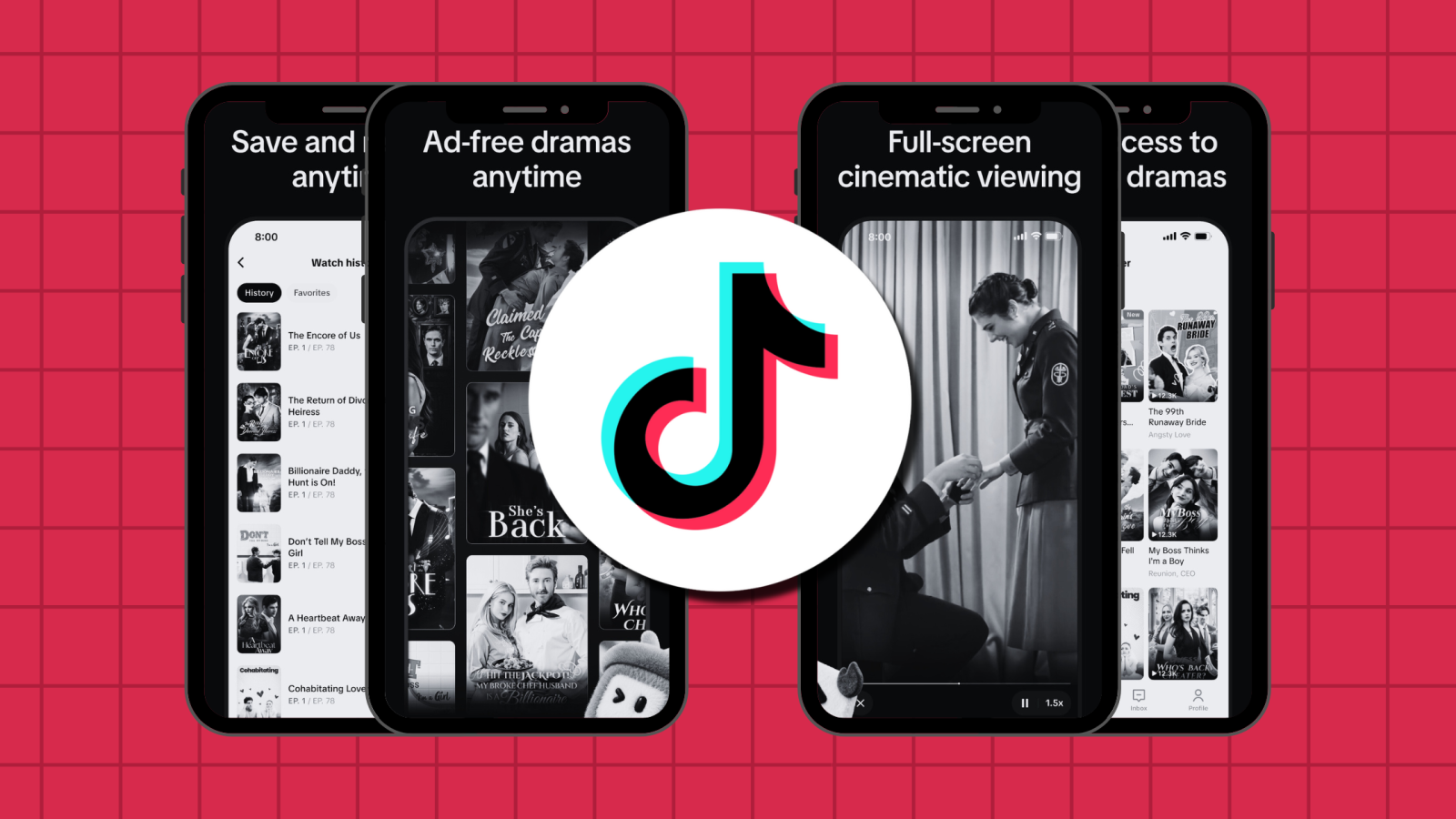
Photo: Image courtesy of PineDrama

20 Jan 2026
The surge of short-form drama apps has a new entry in the US and Brazil: TikTok. The social video app, which has overturned the digital entertainment economy over the past five years, has now launched a standalone app called PineDrama. This comes after successfully trialling a dramas only ‘Minis’ tab on the main app.
An evolving social landscape
The definition of ‘social media’ has changed considerably over time. Originally, social could be one of two things: direct messaging online, or network-style platforms with common-ground ‘feeds’ on which updates could be viewed based on recency or relevance.
However, that definition has expanded to include YouTube and Twitch, platforms that feature prominent creators first with free-for-all social features underneath. TikTok upended things completely by introducing a content-first, creator-driven experience, but one in which every user was enabled and encouraged to be one of those creators. Instagram quickly adopted the same functionality, as have others.
While this has caused a creator economy boom, it has had an interesting side effect. Most mainstream social platforms are now passive, and in some cases, anti-social experiences, where real acquaintances are sidelined and new creators are constantly pushed to up ‘discovery’ promises as the platforms try to woo creators (and their brand sponsors).
It is no coincidence that as short-form-first, vertical viewing experience has become the default, users are turning to short-form dramas with dramatic storylines they can follow over a longer period of time.
Featured Report
Social’s evolving USP Regulation, clipping campaigns and AI reshaping the platform experience
Social platforms no longer operate like they used to. Mainstream platforms now function as entertainment and advertising hubs, and user communities are increasingly fragmenting across a long-tail of platforms with narrower purposes. This shift has come at a cost to authenticity: clipping and AI content make it harder to verify what's real, and plat...
Find out more…This changes things for social content-first platforms like TikTok and, increasingly, Instagram. Social platforms' main competitors are now traditional entertainment, while connection between friends is slipping away to direct messaging apps and back to the real world, as well as other, more unconventional spaces. Chief among those beneficiaries, especially among the youngest demographics, are games. Roblox and Fortnite allow users to interact in a fun online context without the clutter of promotion and endless short-form content, for example.
As social changes, so must its creators
Building fandom relies on audiences connecting with a creator, and with each other, consistently over time. Content-first social platforms are rapidly becoming the broadcast channel to view content on. However, in becoming so, they are losing their ability to foster the on-platform fandom that made them so valuable to marketers.
This presents a dichotomy of choice: focus all-in on a few key creators and storylines, like minidramas, or go back to a friends-first approach, like Snapchat. Creators themselves will find it harder to get an initial foothold on the former, and harder to scale on the latter. The best of both worlds is, ironically, YouTube, which has stayed in its social-enabled-UGC lane since inception.
PineDrama is a symptom of this broader shift towards passive content consumption in a traditionally social format. However, it is also a way to create a separate lane to protect TikTok’s existing social capital, allowing it to keep its mix of social and passive features and pushing the bulk of this passive behaviour to another app. Either way, social is coming for traditional entertainment – but there is now room for something else to come for social.
Want the latest entertainment research and insights directly to your inbox? Our newsletter has you covered, click here to subscribe.
There are comments on this post join the discussion.