
Why audience ownership is the driving force behind creator IP expansions
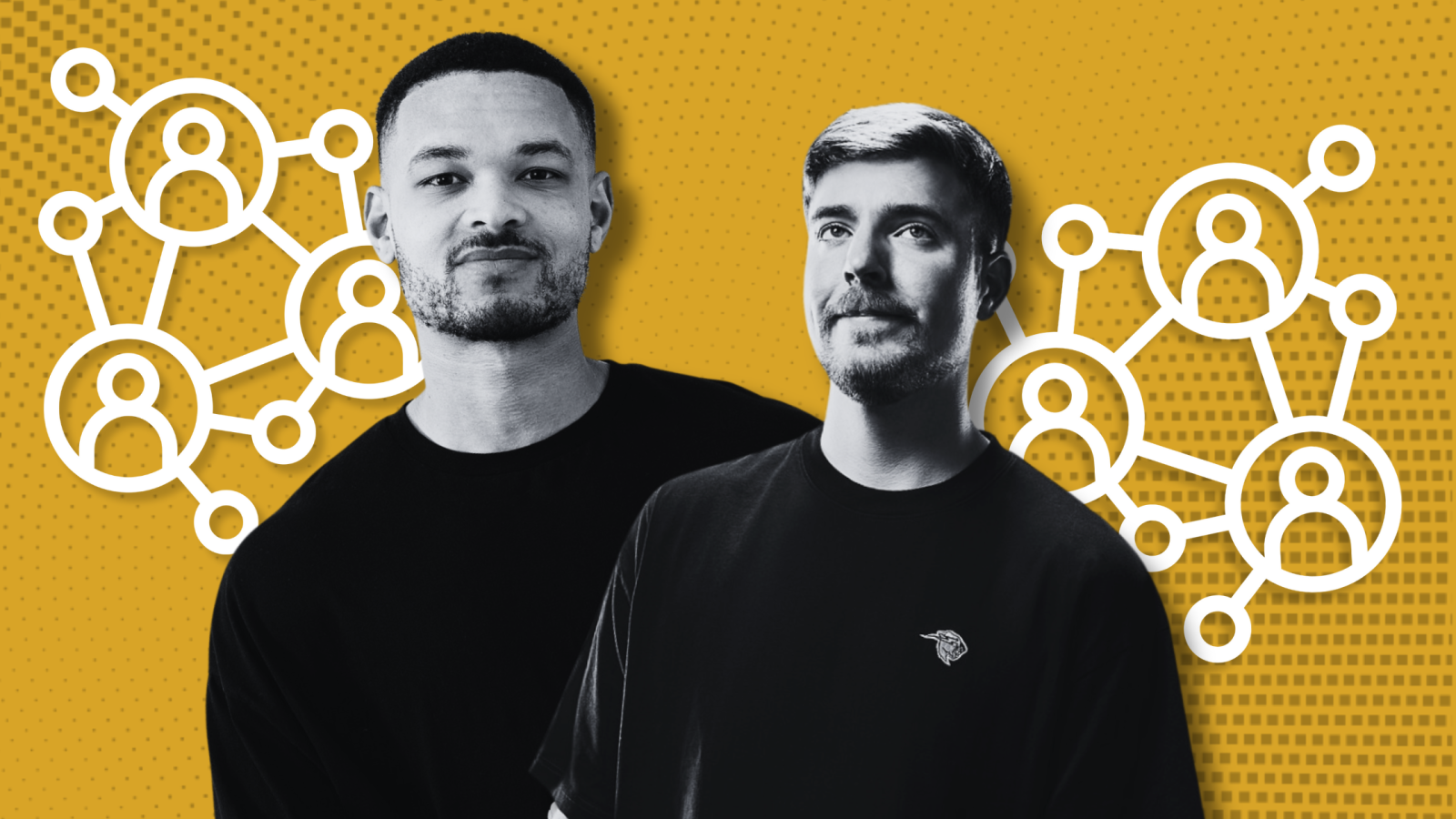
Photo: Steven Bartlett / Steven Khan, via Wikimedia Commons

10 Dec 2025
Distribution is the tie that binds all creators together. Most successful creators use social media platforms as a springboard for turning their creative idea into a career. Social platforms have enabled creators to forge deep connections with audiences, while mastering the nuances of algorithmic discovery, on-platform monetisation, and brand deals. Of course, this all comes at a cost.
In exchange for audience access, social platforms can take a cut from a creator’s earnings or own a stake in the audience relationship by acting as the indispensable middleman connecting a creator to their community. However, as the creator economy’s sphere of influence has grown, so too has the monetisation opportunity for the world’s biggest creators. Just like entertainment franchises such as Harry Potter, creators are expanding ways they can engage and entertain audiences beyond their original format. MrBeast has a streaming TV show, a chocolate bar range, an incoming theme park, children’s toys, and an animated series. Plans for a telecoms brand and financial services are also in the works (according to Business Insider). Goalhanger’s The Rest is… podcast franchise is supported by books, live events, and even a festival at the Southbank Centre. Steven Bartlett’s The Diary of a CEO and its sister titles also form one strand of a broader media empire built on creator tools and merchandise.
Revenue diversification is the key motivating factor
A common misconception when trying to unpack the “why” behind creator IP strategy is that it’s primarily about scale. By offering different ways to engage with a creator, new audiences outside of social platforms are given more routes into the monetisation funnel. While this is true, the deeper factor is diversification. Diversified engagement leads to diversified revenue. By spreading revenue streams, creators increase the amount they can earn from their audiences while giving less away to social platforms. Each new strand of engagement forged through a creator IP strategy reduces platform dependency. Social platforms shift from being the sole driver of revenue to being one engine among many.
Featured Report
Music creator survey Creation: Rise of the new breed
This report is the first of two analysing the results of MIDiA’s 2025 global music creator survey, n = 2,109. This report explores the creation side of the equation and is aimed primarily at creator tools and services companies. The second report focuses on the music creators’ careers and is aimed more at labels, distributor, publishers, CMOs, ...
Find out more…Attention erosion risks
So, should social platforms consider this a threat? The short answer is not entirely. Creators who have built their businesses on social platforms will still use their social channels as a key revenue layer and a vehicle for discovery. However, platforms should question whether changes are needed to ensure they remain the first port of call for a creator’s best content.
This matters for two reasons. Firstly, streaming TV and social platforms are becoming less distinct in their offers. Netflix is shifting into podcasts, Spotify has embraced social behaviours and video, and Disney+ is reportedly enabling subscribers to produce content based on licensed IP using generative AI (per NPR). As more entertainment platforms cater to both short-form and long-form storytelling that is personality and community driven, the more the social platform USP weakens.
Secondly, superstar creators now have the capability to engage their communities directly via wholly owned platforms. A directly controlled media platform has clear benefits when it comes to serving superfans with exclusive content, selling advertising, and creating a cohesive engagement flywheel across video, live events, and merchandise. What these examples show is that by ignoring the erosion of attention ownership, social platforms risk diminishing their role with creators to just distribution pipelines for their content.
In many ways, creators taking greater ownership of their audiences through IP-led strategies is an inevitable step in the creator economy’s evolution. However, it does not mean social platforms should not evolve to meet creator needs. YouTube already enables British broadcasters like Channel 4 to manage their own advertising sales on the platform. It should now clear the path for superstar creators to do the same, even if it requires them to build their own ad teams. This could become a foundation for giving creators more power to scale by owning first-party audience data or develop better infrastructure for live events and merchandise. By doing so, social platforms can stem attention erosion by shifting the perception of social platforms from the launch pads of creator enterprises to the ongoing partner for a creator IP expansion.
Image credits: Steven Bartlett, CC BY-SA 4.0, via Wikimedia Commons / Steven Khan, CC BY 4.0, via Wikimedia Commons (Edits made in Canva Pro)
Want the latest entertainment research and insights directly to your inbox? Our newsletter has you covered, click here to subscribe.
There is a comment on this post, add your opinion.