
Social media bans: boom or bust?
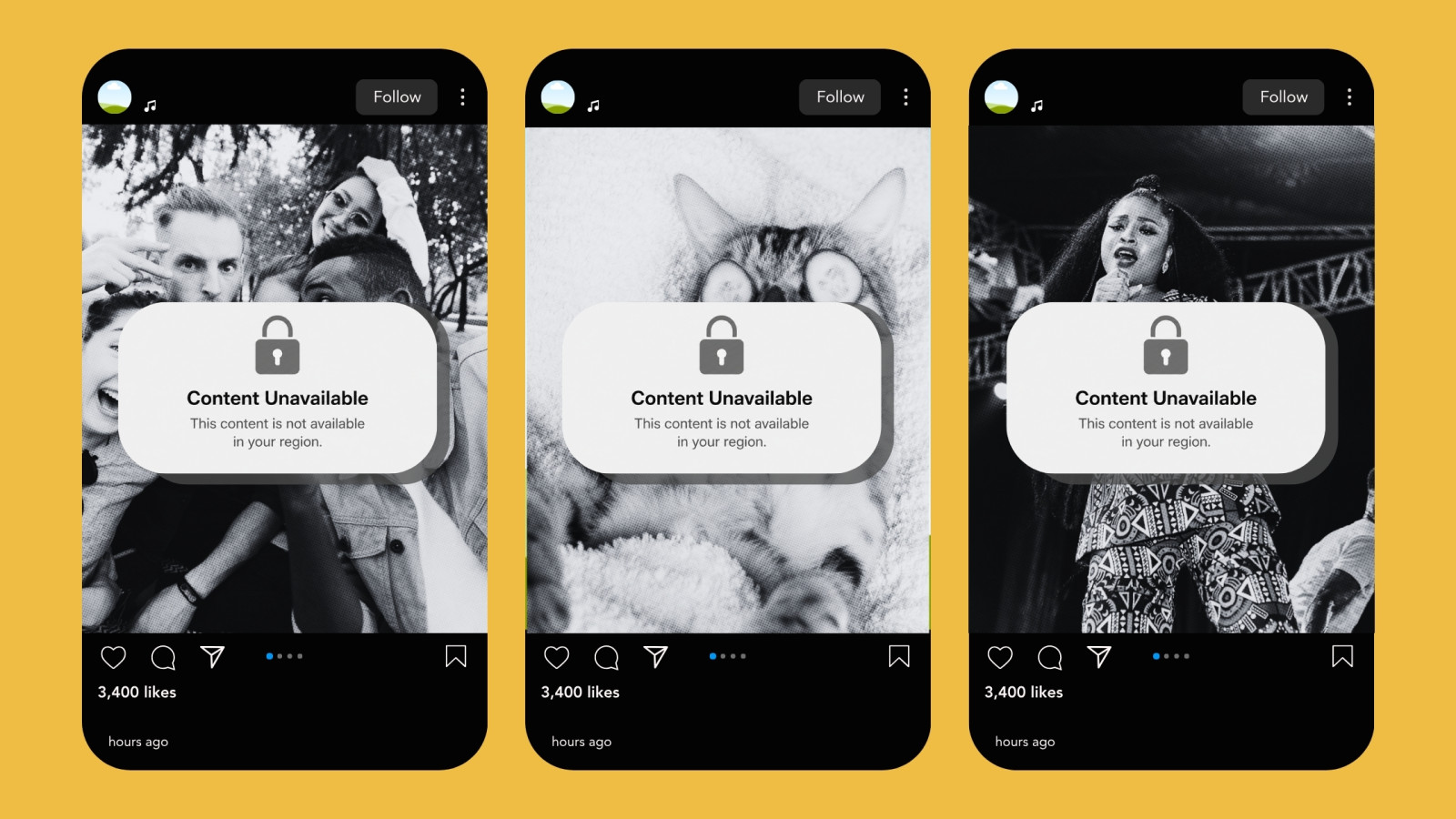
Photo: Image made with Canva Pro

6 May 2026
Categories
In November 2024, Australia passed regulation aimed at social media platforms. From December 2025, children under the age of 16 could no longer legally hold accounts, with platforms held liable for infringements.
Australia’s social media ban has been followed by a slew of regulation and proposed bans across markets. The UK is now pushing to restrict under–16s’ access, even if it does not formalise a ban. Spain, Denmark, and France are all in proceedings for regulation. As of April 23rd, MPs in Türkiye passed a bill requiring social platforms to age-verify users, provide parental controls, and respond rapidly to harmful content, aimed at regulating use of the platforms for under-15s.
Are the social media bans working?
Having now been in place for nearly half a year, early numbers are in on the efficacy of the social media ban in Australia. So far, there has not been much impact. Data published by Australia’s eSafety Commissioner suggests that roughly seven in ten children still use the biggest platforms, with the apps’ prominence among app store downloads seeing little change.
Some of this could be due to a lack of compliance, with tech companies facing Aus$49.5 million in fines under the new laws. There are also technological difficulties with enforcement, as face-scanning age identification is notoriously unreliable. Requiring users to upload personal identification data (such as passports or drivers licenses) carries a high risk of privacy breaches, demonstrated by the recent Discord breach (per The Guardian). Such incidents may make users – and therefore platforms – reluctant to adopt these measures. Even then, users can circumvent bans, with the NewScientist reporting stories of children using parents’ IDs, fake birthdays, and VPNs to circumvent the ban.
First attempts at anything rarely go according to plan. A lack of comprehensive, pre-existing regulation meant that bans and restrictions were always going to come with a learning curve. Given the continued development of restrictions in countries such as Türkiye, lackluster initial results have clearly not put governments off pursuing regulation. In other words, the jury is still out; more to come.
Featured Report
Social’s evolving USP Regulation, clipping campaigns and AI reshaping the platform experience
Social platforms no longer operate like they used to. Mainstream platforms now function as entertainment and advertising hubs, and user communities are increasingly fragmenting across a long-tail of platforms with narrower purposes. This shift has come at a cost to authenticity: clipping and AI content make it harder to verify what's real, and plat...
Find out more…A slow transition, not an overnight change
Regulations will not change young people’s relationship with social media overnight. However, the consumer shift is underway. Today’s 15 year olds may circumvent the bans, because they know what the original TikTok experience was like. However, under-12s may never bother to try it: Instagram could go the way of the Walkman.
That a young generation raised on iPads and Smart TVs will have strong digital presence and developed online behaviours is not up for question. Yet the platforms they choose and the way they engage will change and adapt over time, especially as restrictions make traditional social media harder to use and, with potential new rules around algorithmic recommendation, less fun.
The younger generation will instead lean into new ways of socialising, both on and offline. While gaming will likely take up a huge chunk of this time – especially Roblox, as any parent with of-age children will tell you – there is room for new competitors.
Meanwhile, Sora 2 may be shut down, but the idea of an AI-first ‘social’ feed could be revived by someone else. Trends of offline meetups for viral content (see CBC’s coverage of the recent Scientology ‘speedrunning’ trend) could become less prominent, as algorithms reduce inflammatory content at the behest of regulation. Younger audiences are likely to spend more time in virtual lobbies or AI environments, where filmed and photographed content is less prominent. As these new environments deprioritise photos and videos taken in real life, younger audiences could also see a return to ‘unobserved’ real-life socialising. Without the social pressure of documenting everything for the feed, live events could have room for a bigger comeback.
With every challenge, comes new opportunities.
Want the latest entertainment research and insights directly to your inbox? Our newsletter has you covered, click here to subscribe.
The discussion around this post has not yet got started, be the first to add an opinion.