
Is 2026 the year a western country finally bans a major social platform?
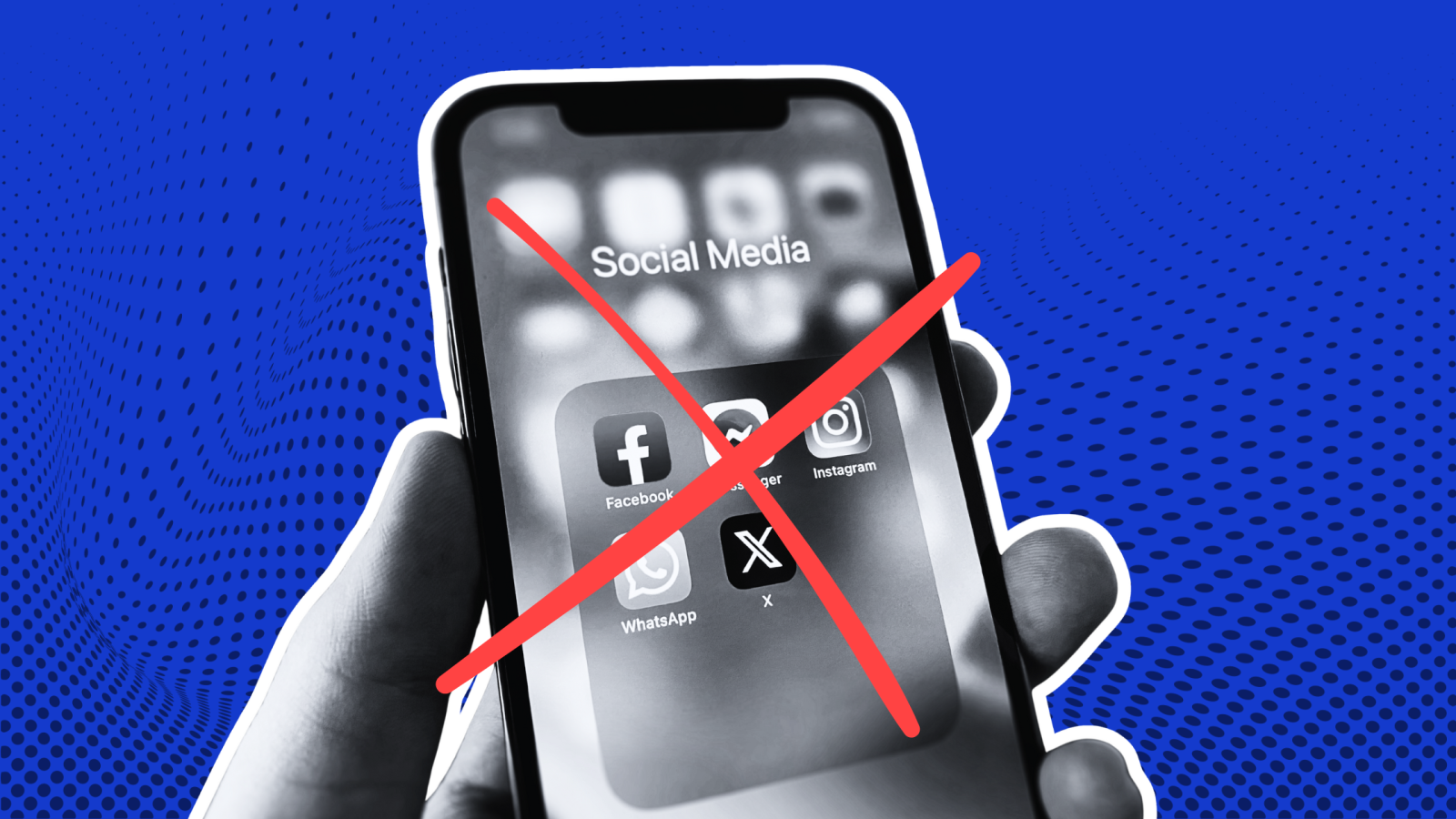
Photo: Julian

14 Jan 2026
Tags
Real change on social media has been incremental, with regulation far behind the innovation speed of companies themselves. However, it seems the current is shifting. In December 2025, Australia made the move to ban social media for under-16s. If successful, it could pave the way for other governments making similar choices. TikTok has been in a ban limbo in the US for well over a year now. Most recently, Grok’s explicit deepfake scandal has pushed UK regulatory bodies to seriously consider banning X completely (per The Independent).
As Grok is the creator of the inappropriate images, and X merely the messenger, AI is inherently wrapped up in the scandal. OpenAI’s Sam Altman has also publicly stated his intent to allow “explicit” content creation with its tools (per the BBC). This content would be very difficult to adequately safeguard given the pre-existing safeguarding issues that plague most, if not all, digital platforms with UGC features. AI does not cause any new problems or offer any unique solutions: it simply exacerbates and enhances those that already exist. What may once have been an undercurrent of the unsavoury now demands reckoning out in the open, thanks – at least in part – to AI.
How do you protect consumers from each other?
Platforms have a duty to serve consumers what they want (and will pay for) but protecting them usually falls to regulation. Case in point, X has pointed to its usual policy of banning offending accounts and Elon Musk has publicly lamented “free speech” infringement, while the UK’s OfCom considers banning the platform. Indonesia and Malaysia have blocked Grok outright, while allowing X to stay live (via the BBC).
Regulation isn’t foolproof. As with the under-16s ban in Australia, use of VPNs and other workarounds are likely to become more prevalent rather than stopping bad behaviour completely. Nevertheless, it is likely to reduce the targeted behaviour, and de-normalise it, which can be seen as a success – or at least, a reduction of harm.
At the moment, no ‘western’ country has ever outright banned a social media app. Given the dearth of accountability shown by platforms, it is unlikely that promises of safeguards will be enough. It’s increasingly possible that 2026 could be the year a ban finally happens – and when one takes effect, others are more likely to follow suit.
Featured Report
Social’s evolving USP Regulation, clipping campaigns and AI reshaping the platform experience
Social platforms no longer operate like they used to. Mainstream platforms now function as entertainment and advertising hubs, and user communities are increasingly fragmenting across a long-tail of platforms with narrower purposes. This shift has come at a cost to authenticity: clipping and AI content make it harder to verify what's real, and plat...
Find out more…Restrictions can have real impact for platforms
Given the typically high ARPU of western markets, an outright ban from one could be make-or-break for the companies involved. However, even restrictions can have an effect.
Platforms like Instagram and TikTok rely on ad revenue, which is affected by time spent and level of engagement. 16-19-year-olds are the highest time-spenders on social; we can assume their younger counterparts with more free time would spend even more of that time on social media. Moreover, creator sponsorships and products have a huge role in the ecosystem, with some, like MrBeast’s Feastibles, targeting a younger audience. Losing this demographic from a platform can make performance metrics drop.
There could be longer-term impacts if these audiences grow up without social media, turning to games and other mediums instead. We are already seeing a cultural shift away from digital, with recent studies finding Gen Z and Millennials blaming social media in particular for poor mental health outcomes (via The Guardian and The Telegraph). MIDiA’s consumer surveys find over 80% of them actively try to reduce screentime, many by deleting apps. If regulation comes in and keeps younger generations away from social platforms, they may never get on board.
Obviously, not allowing for the creation and distribution of explicit imagery is the bare minimum platforms should seek. However, there is a deeper trend at play, where the 2010’s enthusiasm for social media has faded to apathy, and for the younger generations, seemingly antagonism. The Grok deepfake scandal might be just enough to tip consumer and regulatory sentiment the rest of the way over the edge.
Image credits: Canva
Want the latest entertainment research and insights directly to your inbox? Our newsletter has you covered, click here to subscribe.
The discussion around this post has not yet got started, be the first to add an opinion.