
Gender inequity in creative industries is a structural problem. It's time we addressed it like one
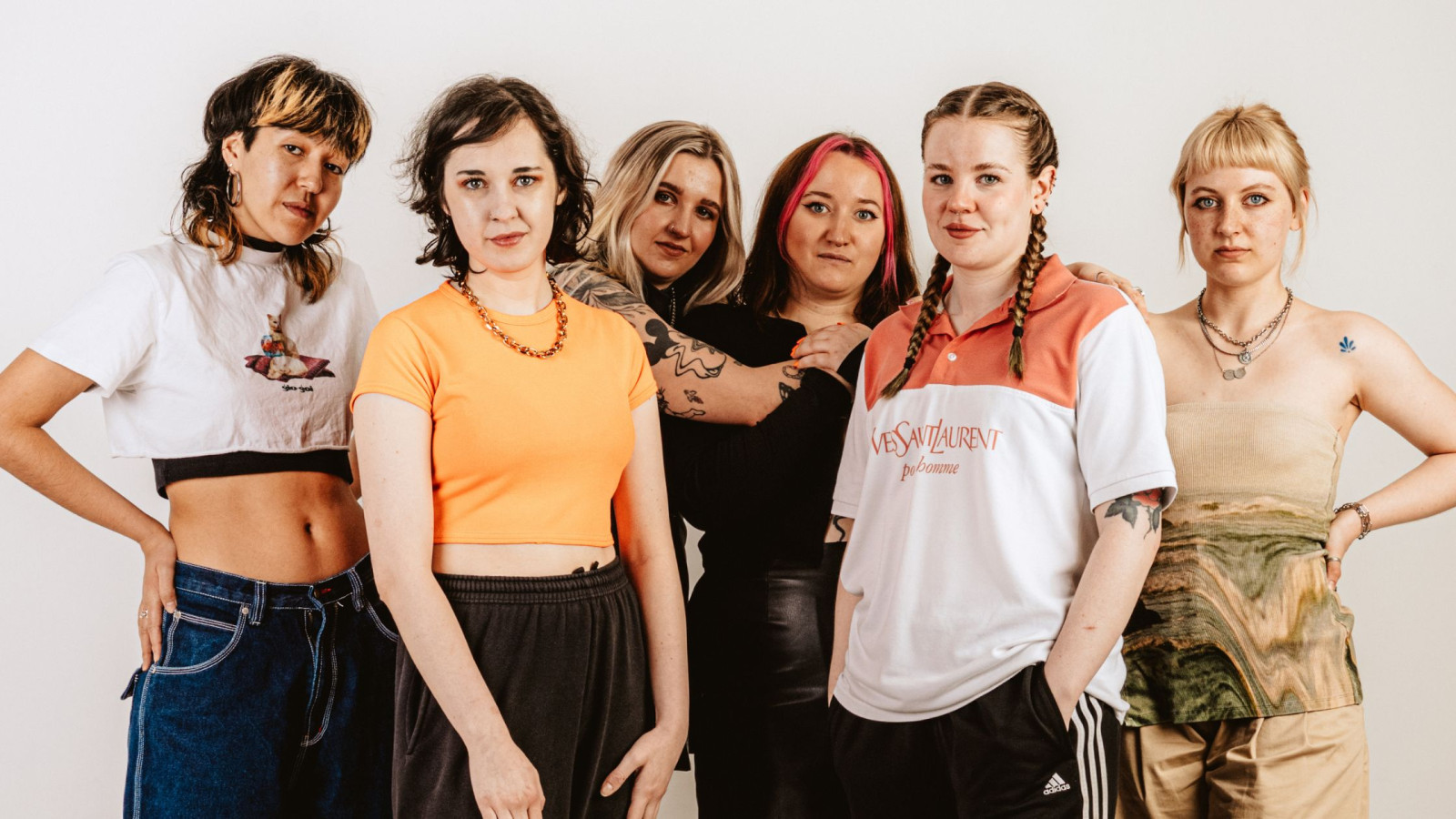
Photo: Luke Bryant
10 Jul 2026
Categories
Gender inequity in creative industries is often treated as a series of one-off incidents – individual acts of bias, isolated pay gaps, or a singular unsafe workspace. This fragmented view is, itself, part of the problem. It allows the industry to respond reactively to each new controversy without addressing the structural conditions that produce these outcomes in the first place.
The reality is that gender inequity across entertainment is systemic, not incidental. Whether you're a musician, a podcaster, or a content creator, the same three barriers recur: who gets access, who gets paid, and who gets protected. The formats differ. The mechanism doesn't.
What makes this system so persistent is perception bias: people are often unaware of problems that do not directly affect them. Men in entertainment, by and large, do not experience the same cumulative friction that women and gender-diverse people navigate.
The challenge is not to assign blame but to bridge the gap between experience and awareness, and that requires bringing everyone into the conversation.
What one collective's approach tells us
One collective demonstrating a path forward is NOT BAD FOR A GIRL (NBFG) a UK-based DJ collective, grassroots platform, and label imprint championing women and gender-diverse artists in electronic music. The collective started eight years ago when founder Martha Bolton noticed a disconnect between the talent of her female and non-binary friends and the conspicuous lack of women and gender-diverse people she was meeting in the music industry.
NBFG's framework, built around safety, representation, and economic equity, offers a practical blueprint that extends far beyond music.
Featured Report
Splice x MIDiA Sounds of 2026 House on the rise
We zoom in on the trends and microtrends driven by the music industry’s biggest fans and most influential tastemakers: creators. Turn page after page of trends unfolding in real-time and see how Splice’s dataset is the barometer for the state of music today.
Find out more…Safety as infrastructure
When allegations surfaced about Andre King and Lukas Wigflex earlier this week, the response followed a familiar pattern: shock, condemnation, calls for change. But as Bolton observed in a recent conversation with MIDiA, "we really need to be doing preventative work".
NBFG treats safety as infrastructure rather than policy. That means designing physical and procedural safeguards from the outset: trained safeguarding staff on the ground, clear reporting pathways, and visible measures that signal to everyone that this is not a space where misconduct goes unchecked.
Small changes can have outsized impact. Bolton points to visibly marked safeguarding staff at events, CCTV in green rooms, and guaranteed Ubers for artists travelling home late at night. These aren't luxuries; they're structural measures that remove barriers for those who might otherwise avoid opportunities.
Representation that goes deeper
Meaningful representation cannot be performative. As Bolton puts it: "It can't be two women back-to-back in an opening slot. It can't be 'we do one lineup a year which has only women, so it's okay we don't book any women for the rest of the year'".
True representation must be 360 degrees; booking teams, photographers, managers, and behind-the-scenes roles, not just artists on stage. This creates not only visibility but a pipeline: community networks, job opportunities, and support structures that ensure it's not just the same women working in creative industries, but a clear pathway for others to follow.
Economic equity and sustainable careers
The gender pay gap in entertainment isn't just about the headline fee. It's about everything that comes with it: promotion, visibility, career momentum. Bolton notes that NBFG still receives offers of £300 for events, far below what a collective of her caliber would expect.
The collective's label, EQUAL PARTS, is designed to address structural inequality at the point of entry, offering artists fair contracts and building case studies they can take elsewhere.
The role of entertainment companies
While NBFG's experience is rooted in music, the principles are transferable. The common thread across entertainment is the absence of formal structures. For freelancers, whether songwriters, artists, or podcasters, there is no HR department. That lack of infrastructure allows bad behaviour to persist.
NBFG is among other organisations driving change. Bolton points to the Creative Industries Independent Standards Authority (CIISA), an organisation led by Jen Smith (instrumental in the Harvey Weinstein case), as a promising step. Its reporting tool will allow multiple reports about the same individual to be collated, removing the burden from individuals to establish patterns of behaviour. As a spokesperson from Shesaid.so, the global music community for women, gender-diverse people, and allies, puts it: “Change happens through consistent work, collaboration and listening to the communities you're trying to support".
Structural change requires structural investment, from venues, platforms, and the entire entertainment ecosystem, because as Bolton notes, “The patriarchy isn’t a women’s issue – it's everyone’s”. The time for highlighting issues and acting reactively is over. It’s time for meaningful, preventative, and structural change.
Want the latest entertainment research and insights directly to your inbox? Our newsletter has you covered, click here to subscribe.
The discussion around this post has not yet got started, be the first to add an opinion.