
Could YouTube be a new home for TV talent?

23 Sep 2026
Categories
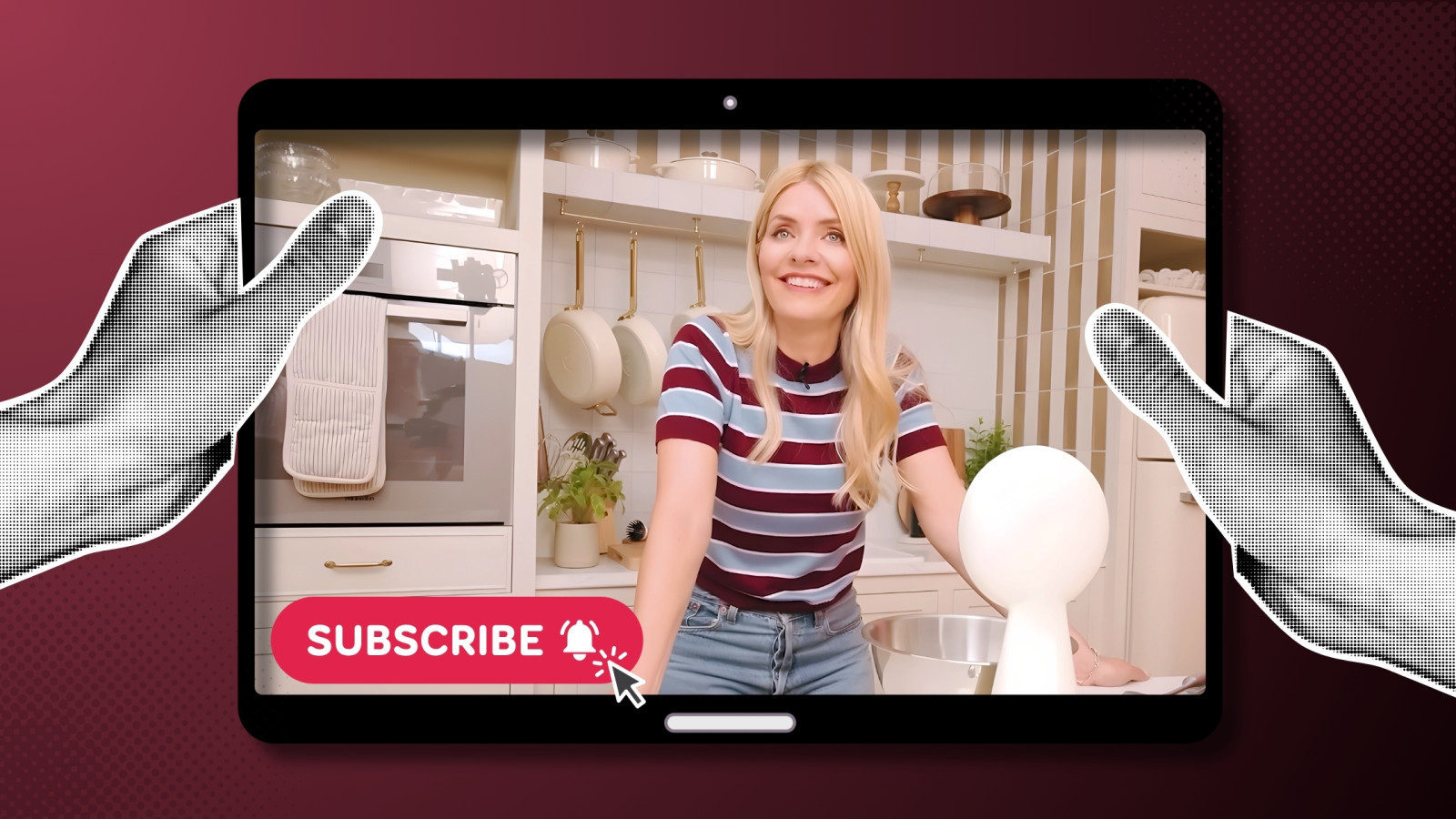
The power dynamic between media personalities and media distributors is shifting – a change that has picked up pace over the last few years. Traditional media companies are cautiously opening their doors to creator talent, recognising them for the lucrative opportunity that they represent. But this flow of talent is not a one-way street. Many household names in UK daytime TV – the likes of Piers Morgan, Nadia Sawalha, and, most recently, Holly Willoughby – have launched their own YouTube shows. If terrestrial broadcasters want to retain their top talent, they’ll need to recognise the factors driving this temptation and adapt their retention strategies.
It’s understandable that TV talent may be lured towards YouTube by the prospects of greater creative freedom, direct communication with their audiences, and a larger share of the profits. Daytime TV-style content is particularly well suited to social video, thanks to its relaxed, personality-led, and dialogue-heavy format. TV-grown media personalities are perhaps beginning to see terrestrial TV as a middleman between them and their audiences – one they may benefit from cutting out.
Traditional broadcasters are no longer the sole gateway to the audience. To retain top talent, they need to understand the allure of social video platforms and how to counter it, as well as communicate the unique advantages they hold.
Featured Report
Rebuilding TV in the creator era UK video consumption and creation
The UK video market is at the centre of a once-in-a-generation shift. While linear TV still delivers huge reach and revenue for broadcasters, social platforms and global streaming services have already won the battle for daily attention. At the same time, nearly half of UK consumers now create content themselves, accelerating the rise of creators a...
Find out more…The YouTube appeal for TV talent
There are several advantages YouTube holds over traditional TV formats:
- Greater editorial control: Hosting on YouTube gives creators the ability to oversee edits ahead of release and to speak freely on personal or political matters with little censorship
- Ownership of IP: Creators own the format, meaning they can shape it as they like and can’t be replaced
- Quick feedback: Comments and viewing metrics give creators almost instantaneous feedback, allowing them to fail fast and adjust their strategy
- Highly engaged audiences: Viewers have actively sought out or chosen to click on the video, making them more engaged than a passive terrestrial TV audience
- Larger share of the profits: They can be paid by brands for ad deals and sponsorships directly, rather than terrestrial TV companies taking a cut
- YouTube’s recommendation-based algorithm: Content is fed to users that are watching similar content, helping creators find an engaged, loyal audience organically
How should entertainment companies respond?
Entertainment companies must identify when TV personalities are outgrowing their formats and becoming the most compelling reason for viewers to tune in. When that shift occurs, a re-negotiation of the talent-production relationship may be required to keep them on home soil. There may be opportunities to offer talent greater creative autonomy, more flexible content strategies that can shift with viewer feedback, or even ownership of IP.
An important learning, too, should be that some types of TV content lend themselves well to social video platforms. When content is relaxed, chatty, intimate, and personality-led – like daytime TV or morning shows – entertainment companies should consider whether they themselves should host it on YouTube directly.
It will also be equally as important to recognise and communicate where the traditional TV environment maintains its edge. It can offer bigger budgets, cultural prestige, extensive support and protection, greater reach, and regulatory protections that YouTube and other social video platforms would struggle to compete with.
We can expect to see a rise in TV-grown creators as media personalities leverage and monetise their own star power. Terrestrial TV and YouTube each come with their own trade offs, but the players that come out on top will be the ones to optimise their content and strategies for the medium at hand.
Want the latest entertainment research and insights directly to your inbox? Our newsletter has you covered, click here to subscribe.
There is a comment on this post, add your opinion.