
Are AI glasses Meta’s new game changer, or next stumbling block?
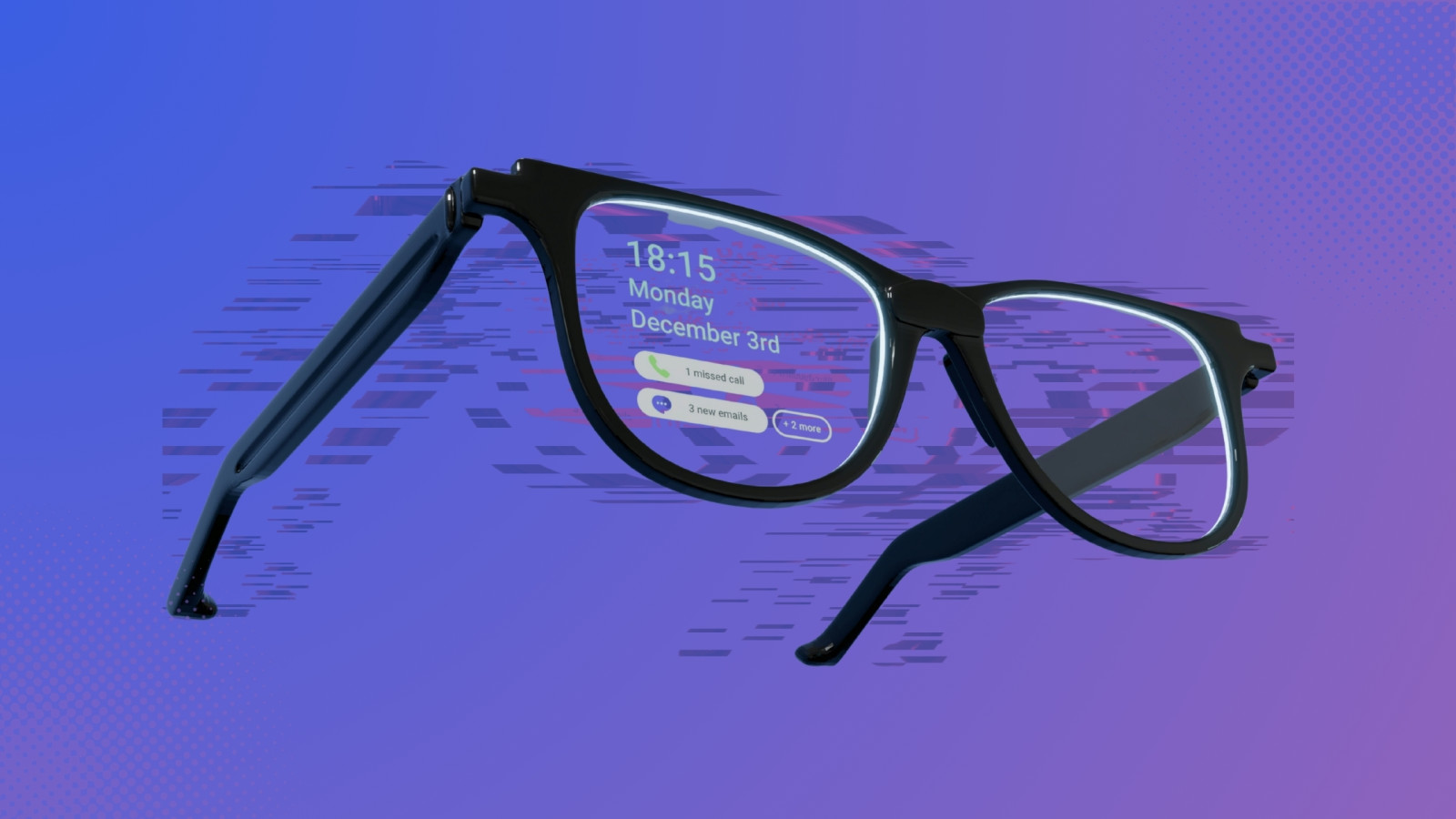
Photo: Ubaid E. Alyafizi

7 Oct 2026
Categories
Companies
Much controversy surrounds the continued spread of Meta’s AI glasses. With cameras that can record entire interactions, an AI virtual assistant to analyse them live, and small speakers to unobtrusively share those findings with the wearer, its uses are potentially both promising and predatory.
On one side are avid tech adopters and niche specialised cases, like YouTubers and the visually impaired, excited by their potential. On the other are the unconvinced, struggling with the broader discomfort of an always-recording digital-first society that can now capture your likeness at any time without being noticed. The Meta glasses make an already bad problem worse, with the filmed content proliferating on social media and the glasses themselves earning the nickname “pervert glasses”.
The wearables wave is a long time coming
When the original Google Glass was pulled in 2015, it was largely due to price and privacy concerns. The industry-side takeaway was that the market just wasn’t ready.
Apple’s more recent push in 2024 with the Vision Pro headset seemed to signal the time had come, with the brand typically being the leader in taking a new technology mainstream. However, the devices haven’t seen major success either. With a price point well over £3,000, a VR / AR focussed use case, and a design that physically removes half of the wearers face from view, the pricing still wasn’t right and privacy had gone too far the other way by isolating the wearer.
As of 2026, it is Meta’s glasses that have seen the most success – due largely to an accessible price point and impeccable branding. Partnerships with Ray-Bans and celebrities like Kylie Jenner (these glasses speak to the wearer in her voice), alongside a slew of creator partnerships, has softened reception to the technology overall and effectively normalised the glasses. However, distracting from the core privacy concerns with cool frames and ads with Chris Hemsworth does not actually solve those concerns.
Featured Report
The hunt for tomorrow’s platform Are games the next generation of social?
Games environments now serve as important social hubs for younger audiences. Networks form around these shared worlds first and traditional channels second, creating communities that persist whether users are actively playing or not. Simultaneously, mainstream social platforms are becoming increasingly focused on passive entertainment, leaving a so...
Find out more…The perennial privacy problem
The problem with smart glasses that can record everything almost unnoticed while whispering information to the wearer is that they are distinctly alienating to everyone else. Responsible use becomes externally indistinguishable from irresponsible use, especially with the proliferation of experts who can allegedly disable the recording light in less than 20 minutes (per The Guardian).
The red recording light is Meta’s main privacy-centric feature, alerting others that the glasses are recording. However, much like the glasses themselves, it’s relatively innocuous unless you know what to look for. Meta only recently rolled out an update to detect whether the recording light had been tampered with, and consequently bricked as many as 10% of sold pairs (per Semafor).
Pushback and Meta’s changing priorities
As a result of personal privacy concerns, as well as copyright, the Meta glasses are being banned from cinemas, Wetherspoons, and public spaces in Norway, among others (per The Guardian). Public pressure is on to reduce potential harms.
This comes at a critical time for Meta, which is also fighting a many-fronted war around the potential harms of social media platforms on adolescents. In particular, Meta has been central to the regulatory discussions in the US, where it has recently settled a major court case against 29 states for $18 billion.
Its growing AI focus is not without controversy, either. The New York Times has reported how Meta’s data centre investments allow it to avoid billions in federal taxes, and The Guardian has discovered that Muse AI has given out users addresses without permission.
The privacy and broader ethical optics aren’t ideal for a company that seemingly struggles consistently with both.
What do you do when you’re already at the top?
Meanwhile, Meta dominates the social media marketplace. Between Facebook, WhatsApp, and Instagram, it has over a third of total market share globally, and has a most-used app in North America, Europe, LATAM, and even several countries in Asia Pacific (see MIDiA’s upcoming social user market shares for more). With regulations alone, it is unlikely the company will be unseated as top of the pack – and lose more than minor margins on the earnings that come with that, especially with subscription offerings potentially gaining ground.
Moving from a content aggregator social networking service to an AI and hardware company is a bigger task than Meta would like it to seem. If Meta fails to understand or meaningfully address why its products are so consistently controversial, it could self-disrupt its own dominance in the social world while chasing growth elsewhere.
Want the latest entertainment research and insights directly to your inbox? Our newsletter has you covered, click here to subscribe.
The discussion around this post has not yet got started, be the first to add an opinion.