
How Meta’s biggest legal battle yet could redefine social media

26 Aug 2026
Categories
Companies
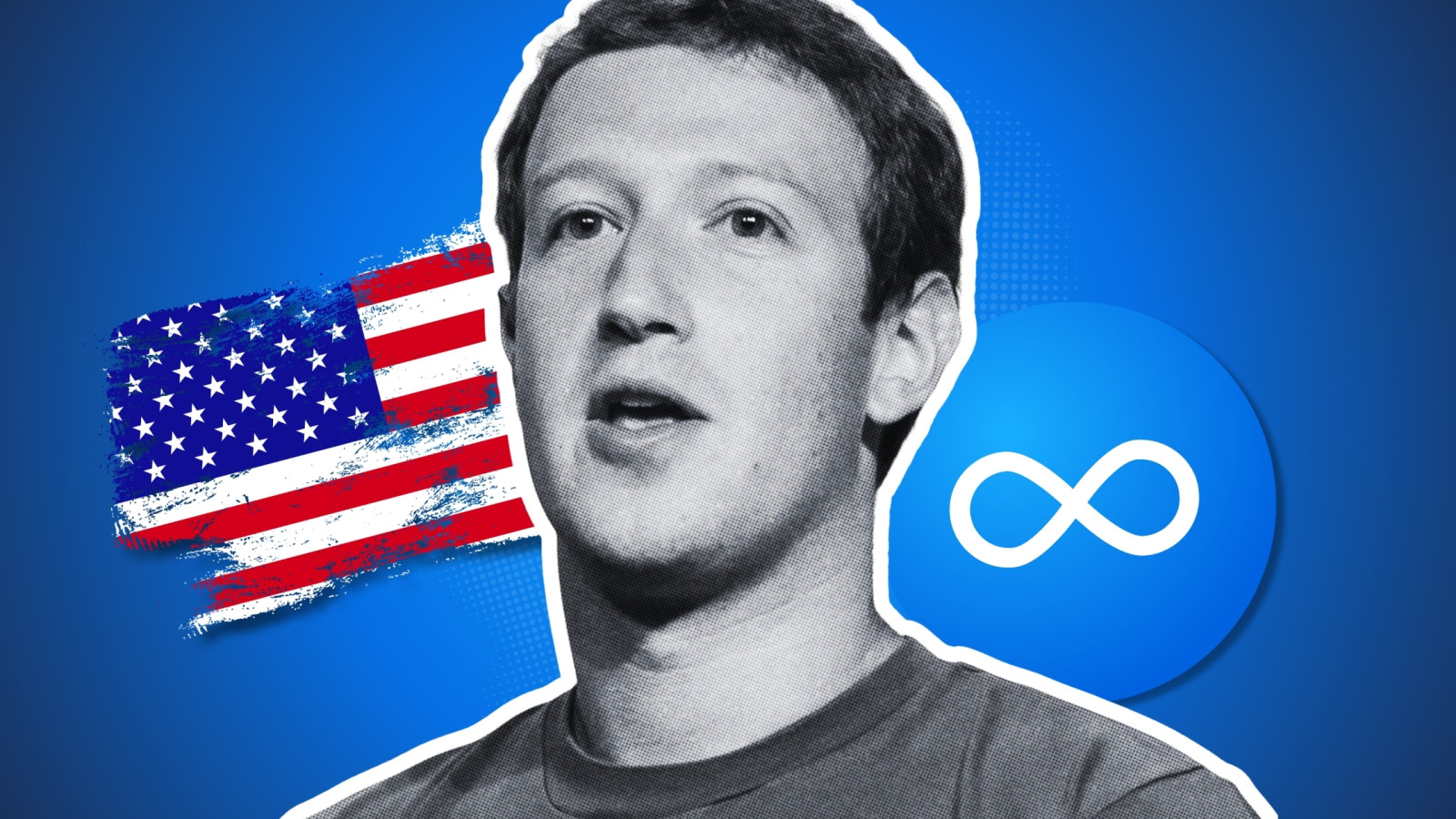
Meta may soon be forced to change its platforms, which will hold consequences for social media’s future. As of August 2026, a coalition of 29 US states is going to court with Meta in California, alleging a breach of several consumer protection statutes. If Meta loses, its attorneys suggest it could see damages as high as $1.4 trillion, although lawyers representing the states have suggested $200 billion is more likely, per CNBC.
This follows a loss in New Mexico, where the company was ordered to pay a total of $942 million, as reported by the BBC. In addition, a preliminary ruling in the EU found that Meta has violated its Digital Services Act, which could result in a fine of 6% of its annual turnover, according to CNBC.
While the potential financial losses are notable, the crucial factor is what these court cases are pursuing – and how Meta’s case could set a precedent for the future of social altogether.
The end of infinite scroll?
Meta and other social companies have previously argued they are UGC platforms, not content commissioners, and therefore cannot be held liable for content which proves harmful to users. However, the 2026 lawsuits allege that the addictive design of the platforms themselves, especially in the form of infinite scroll, is harmful on its own.
With legal decisions still pending, much remains unknown. Whether infinite scroll will be age-gated or removed for all users; whether Meta will differentiate its product by region; how quickly the ramifications spread to other platforms, and whether they adopt their own strategies preemptively. Nevertheless, it is clear that regulation is focusing on user protections, and the platforms themselves are in the crosshairs.
Featured Report
The hunt for tomorrow’s platform Are games the next generation of social?
Games environments now serve as important social hubs for younger audiences. Networks form around these shared worlds first and traditional channels second, creating communities that persist whether users are actively playing or not. Simultaneously, mainstream social platforms are becoming increasingly focused on passive entertainment, leaving a so...
Find out more…A post-doom scroll social landscape
If Meta loses the California court case, it will take a massive financial hit. Its 2025 revenues totalled roughly $200 billion – the same damages sought by the states now suing it.
But the ramifications go further. Meta relies on advertising revenue to sustain its non-social, future-proofing arms, namely in AI and wearables, like glasses. If Meta is ordered to redesign its platforms without infinite scroll, remove features like Stories, or separate Reels from Instagram, it would cause huge disruption to its platforms – and therefore, to its advertising revenues. Audiences will be less likely to spend as much time consuming content, reducing ad value and the prospects of creators looking to be discovered. Marketers and advertisers will likely shift spend to other (initially) unaffected platforms, like YouTube, TikTok, or Snapchat.
The longer-term outlook is that once a precedent is established, other platforms will either preemptively adjust to meet the new obligations or likely face court cases of their own. This means a dramatic change to the way social platforms are designed and used.
A world where social platforms are less addictive is a world in which less time is spent on them. Which begs the question: where will that time go?
As MIDiA has discussed before, there is growing audience demand for offline or alternative forms of entertainment, and a diminished supply, which offers huge opportunities for the companies that can pivot early and serve those consumer needs. ‘Analogue’, offline activity is likely to earn back time; so too is gaming. AI will also likely benefit, as users turn to it for the same kind of product searches, recommendations, and even personal insights they now use their social feeds for. The social platforms that succeed post-regulation will be those that can serve practical consumer needs to connect with each other and socialise, rather than rely on addictive content consumption.
Creators will be able to adapt, especially by shifting to smaller, more scene-focussed spaces. Discovery will change dramatically, but the competitive content clutter will reduce.
Marketers will be hardest hit – and therefore, need to adapt soonest. It is crucial for marketing and advertising teams to start building on their skills now, so that when these changes finally hit the market, they aren’t caught out with social-only strategies in a world no longer reliably on social.
Want the latest entertainment research and insights directly to your inbox? Our newsletter has you covered, click here to subscribe.
The discussion around this post has not yet got started, be the first to add an opinion.